
Is My Birth Experience Considered “Traumatic”? 5 Signs You May Have Birth Trauma
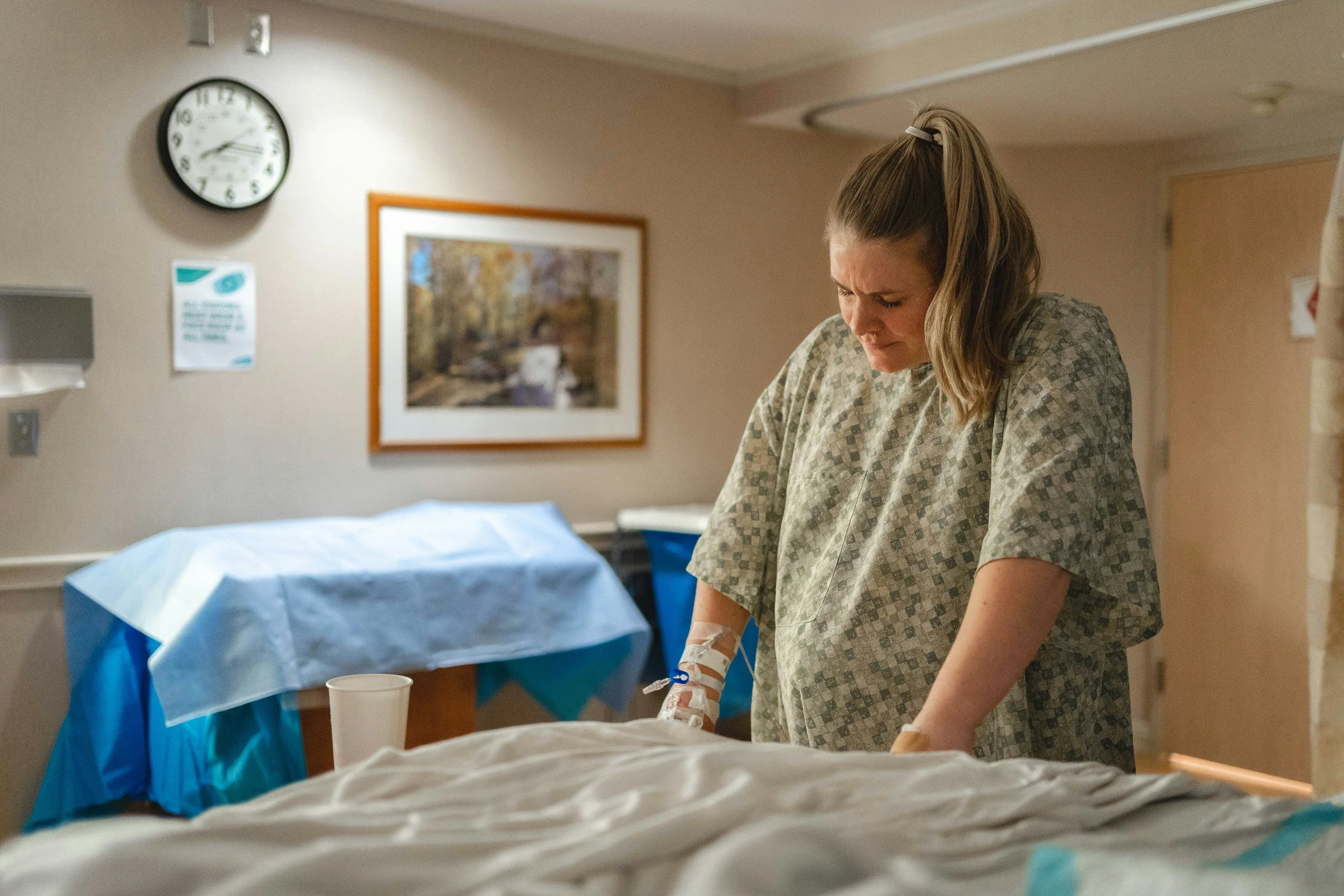
If you’ve recently had a baby in New York—whether you were at a hospital in Rochester or a smaller birth center near Ithaca—you might be struggling to process how it all went down.
Maybe people keep telling you, "At least the baby is healthy," or "You’re both here, that’s what matters." While those things are true, they don't erase the fact that your birth experience felt scary, out of your control, or even life-threatening.
Many parents ask me, "What is birth trauma, exactly?" They worry that because they didn't have an emergency C-section or a NICU stay, they aren't "allowed" to call their experience traumatic.
Here is the truth: Birth trauma is defined by your experience of the event, not just the medical coding. If you felt a sense of horror, helplessness, or fear for your life (or your baby's), your body may be holding onto that trauma.
5 Signs You May Be Experiencing Symptoms of Birth PTSD
Postpartum Post-Traumatic Stress Disorder (P-PTSD) is more common than most realize. Here are five signs that your "difficult delivery" has left a lasting impact:
1. The "Rewatch" Loop (Flashbacks)
Do you find yourself replaying the birth over and over in your head? Maybe a certain smell (like hospital soap) or a sound triggers a sudden, vivid memory of the moment things took a turn. This is your brain trying to "file" a memory that it hasn't quite processed yet.
2. Avoiding the "Talk" (or the Doctor)
You might find yourself avoiding the street the hospital is on, or feeling a surge of panic when your 6-week follow-up appointment is mentioned. Avoiding things that remind you of the birth is a hallmark sign of symptoms of birth trauma.
3. Feeling "On Edge" (Hyper-Vigilance)
If you feel like you’re constantly waiting for the next disaster to happen, your nervous system is stuck in "fight or flight." This can make it impossible to sleep, even when the baby is finally down.
4. Gaps in the Story
Trauma affects how the brain stores memories. You might have "blank spots" in your birth story, or the timeline feels jumbled and confusing.
5. Difficulty Connecting with the Experience
Some moms feel a sense of detachment—not necessarily from the baby, but from the memory of the birth itself. You might feel "numb" when you look at photos from that day or feel like you weren't actually "there" during the delivery.
Healing After a Difficult Delivery
The good news is that your brain is capable of healing. Healing after a difficult delivery isn't about "forgetting" what happened; it’s about moving that memory from a place of active pain to a place of past history.
I specialize in helping New York moms process these stories. We don't just talk about what happened; I use trauma-informed tools to help your nervous system feel safe again.
Specialized Support Across New York
Whether you are navigating the "Double Shift" in NYC or settling into a new home in the Ithaca area, specialized help is available via telehealth. I am in-network with Aetna and United Healthcare (Optum/Oxford) because I believe specialized trauma care should be accessible.
You Don't Have to Carry This Alone
If you read this and thought, "That’s exactly how I feel," please know that you are not "broken" or a "bad mom." You are a person who went through a hard thing, and you deserve support.
[Click Here to Schedule Your Free 15-Minute Phone Screen]
Kait Towner provides specialized perinatal telehealth services for birth trauma, pregnancy loss, and maternal anxiety to parents in the Bronx, Ithaca, and throughout New York State.
