

What Type of Therapy Is Best for Birth Trauma?
If you're searching for the best therapy for birth trauma, you're probably looking for more than a diagnosis—you want to know what actually helps.
Maybe your birth didn't go the way you expected. Perhaps you experienced an emergency C-section, felt dismissed by your medical team, feared for your life or your baby's life, or left the hospital feeling disconnected, anxious, or constantly replaying what happened.
Birth trauma can affect you long after your baby is born. The good news is that therapy can help you process what happened, reduce the emotional intensity of those memories, and begin to feel like yourself again.

Birth Trauma Therapy in New York: What to Look for in a Therapist Who Actually Gets It
Searching for a therapist can feel overwhelming.
However, searching for a therapist after a traumatic birth can feel near impossible.
Maybe you’ve spent hours scrolling through therapist profiles and wondered who actually understands your experience.
Maybe you’ve even tried therapy previously but felt like you were encouraged to “focus on the healthy baby” or “be grateful everything turned out okay.”
Maybe you keep asking if your birth was traumatic enough to constitute therapy.
It’s not on you to have to convince your therapist that your experience mattered.
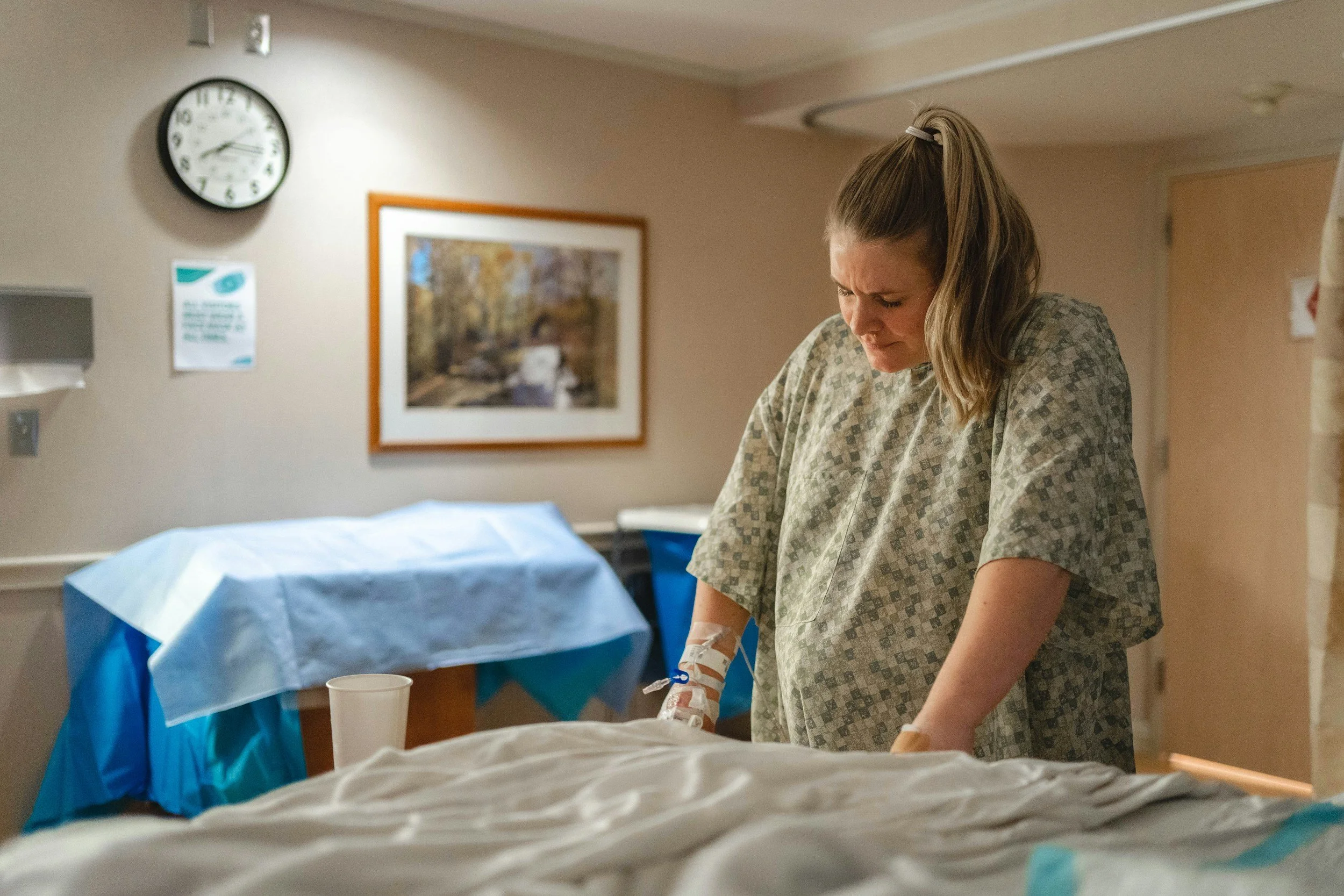
Is My Birth Experience Considered “Traumatic”? 5 Signs You May Have Birth Trauma
If you’ve recently had a baby in New York—whether you were at a hospital in Rochester or a smaller birth center near Ithaca—you might be struggling to process how it all went down.
Maybe people keep telling you, "At least the baby is healthy," or "You’re both here, that’s what matters." While those things are true, they don't erase the fact that your birth experience felt scary, out of your control, or even life-threatening.
Many parents ask me, "What is birth trauma, exactly?" They worry that because they didn't have an emergency C-section or a NICU stay, they aren't "allowed" to call their experience traumatic.
Here is the truth: Birth trauma is defined by your experience of the event, not just the medical coding. If you felt a sense of horror, helplessness, or fear for your life (or your baby's), your body may be holding onto that trauma.

From "What's Wrong?" to "What Happened?": Embracing Trauma-Informed Care in Perinatal Mental Health
As a perinatal mental health therapist, one of the most powerful shifts I've witnessed in our field is the growing embrace of trauma-informed care. This isn't just a buzzword; it's a fundamental change in how we approach support for expecting and new parents, moving away from the often-blaming question of "What's wrong with you?" to the deeply compassionate and insightful "What happened to you?"

5 Common Misconceptions About Postpartum Therapy: What Every New Mom Needs to Know
Bringing a baby into the world is life-changing, beautiful, and often, well, a little overwhelming. If you've ever thought about seeking support during pregnancy or after birth, you might also have run into some confusion or hesitation. It's totally normal to have questions about something unfamiliar, and sometimes, those questions can turn into myths that keep us from getting the help we truly deserve.
As a therapist specializing in prenatal and postpartum mental health, I often hear common assumptions that create misunderstandings about what postpartum therapy (and therapy for pregnant women) is really all about. Let's clear up some of that confusion!

Balancing Family Dynamics During A Postpartum Summer: Your Guide to a Calmer Season
Ah, summer. The season of sunshine, long days, and... maternity leave! It's painted as this idyllic time for rest, bonding with your new baby, and enjoying family fun. But if you're a new parent navigating the perinatal period in New York, you know the reality can be a lot messier. What's supposed to be relaxing can quickly turn into a pressure cooker, amplifying family stress during summer and making you feel more overwhelmed than ever.
As a perinatal mental health therapist, I see firsthand how this season, especially with a new baby in the mix, can inadvertently create unexpected tension and stress in families. You're not alone if you're feeling this blend of hope and dread.