
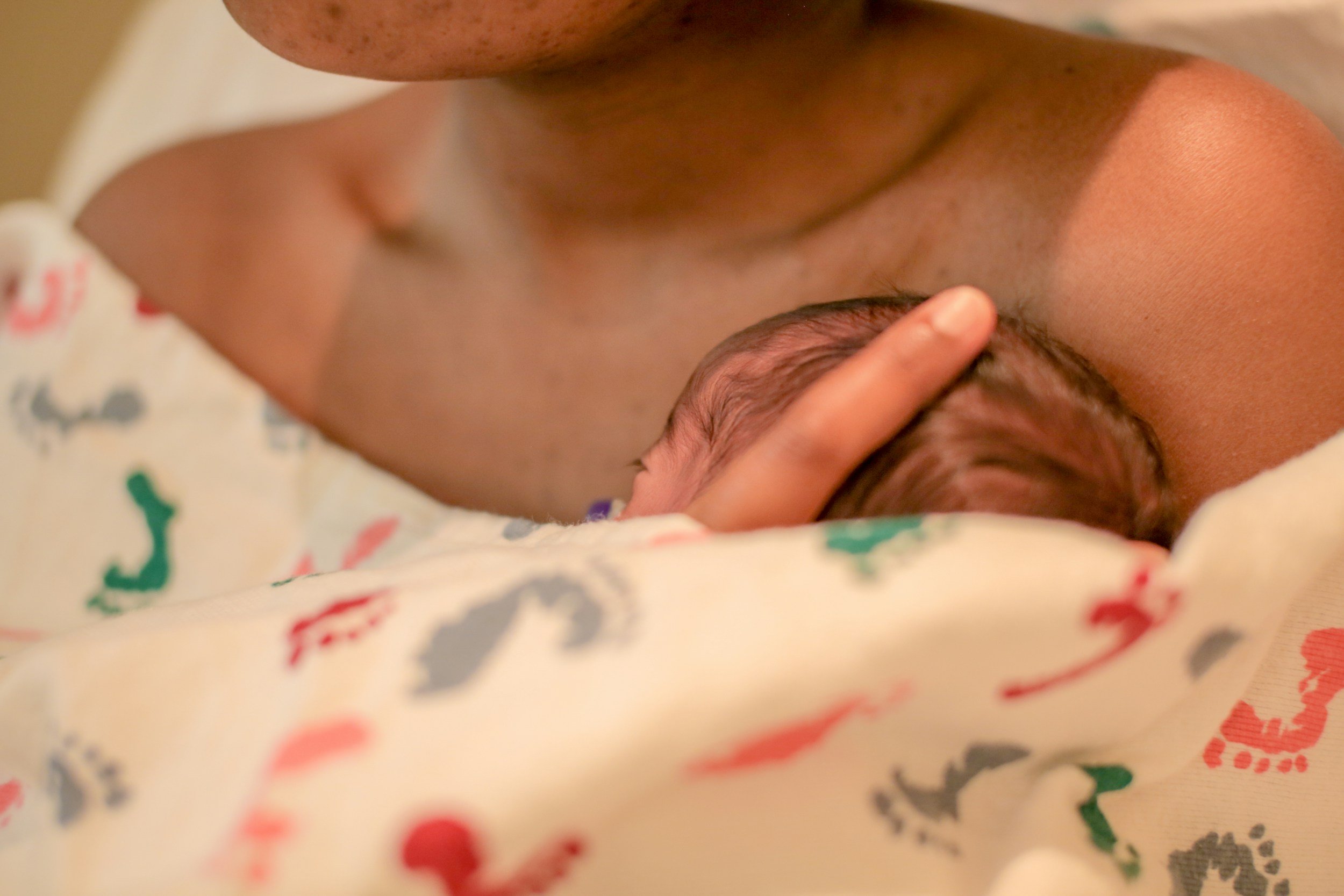
What Birth Trauma Symptoms Should Not Be Ignored?
A difficult birth can leave lasting emotional wounds, even if you and your baby are physically healthy. If you're wondering whether what you're experiencing is "normal" after childbirth, it's important to know that some birth trauma symptoms should not be ignored.
Many parents assume they'll simply "get over" a frightening or overwhelming birth experience. But for some, the emotional impact lingers long after they've left the hospital. Birth trauma can affect your mental health, relationships, confidence, and ability to enjoy the postpartum period.
The good news is that birth trauma is treatable, and healing is possible.

Who Is Most Prone to Postpartum Depression?
Who Is Most Prone to Postpartum Depression?
Postpartum depression can affect any new parent, regardless of age, income, or how much they wanted their baby. While some people have a higher risk, postpartum depression is never a sign of weakness or failure.
One of the most common questions I hear is, "Why did this happen to me?" The truth is that postpartum depression is caused by a combination of biological, psychological, and environmental factors—not by something you did wrong.
Understanding the risk factors can help you recognize symptoms earlier and get support before they become overwhelming.

Are You Considered Postpartum After a Miscarriage?
Are You Considered Postpartum After a Miscarriage?
Yes. Medically and emotionally, you are considered postpartum after a miscarriage.
Many people are surprised to learn this because the word postpartum is often associated with bringing home a healthy baby. But postpartum simply means "after pregnancy." Whether your pregnancy ended with a live birth, miscarriage, stillbirth, or termination, your body and mind still experience significant changes during the postpartum period.
If you've experienced a miscarriage and are wondering why you're feeling physically exhausted, emotionally overwhelmed, anxious, or unlike yourself, you're not imagining it. Your experience is real, and you deserve care and support.

What Type of Therapy Is Best for Birth Trauma?
If you're searching for the best therapy for birth trauma, you're probably looking for more than a diagnosis—you want to know what actually helps.
Maybe your birth didn't go the way you expected. Perhaps you experienced an emergency C-section, felt dismissed by your medical team, feared for your life or your baby's life, or left the hospital feeling disconnected, anxious, or constantly replaying what happened.
Birth trauma can affect you long after your baby is born. The good news is that therapy can help you process what happened, reduce the emotional intensity of those memories, and begin to feel like yourself again.
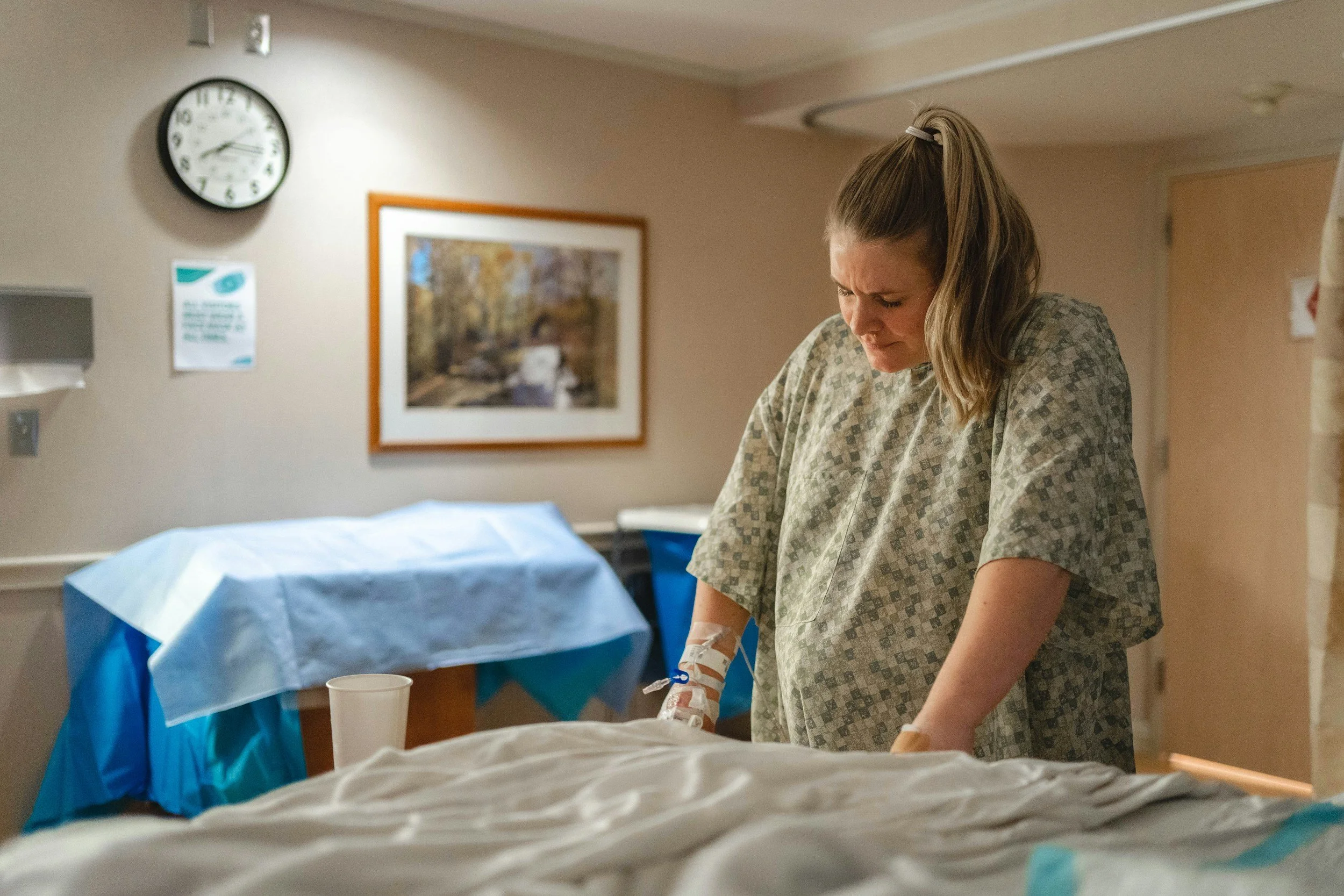
Is My Birth Experience Considered “Traumatic”? 5 Signs You May Have Birth Trauma
If you’ve recently had a baby in New York—whether you were at a hospital in Rochester or a smaller birth center near Ithaca—you might be struggling to process how it all went down.
Maybe people keep telling you, "At least the baby is healthy," or "You’re both here, that’s what matters." While those things are true, they don't erase the fact that your birth experience felt scary, out of your control, or even life-threatening.
Many parents ask me, "What is birth trauma, exactly?" They worry that because they didn't have an emergency C-section or a NICU stay, they aren't "allowed" to call their experience traumatic.
Here is the truth: Birth trauma is defined by your experience of the event, not just the medical coding. If you felt a sense of horror, helplessness, or fear for your life (or your baby's), your body may be holding onto that trauma.