
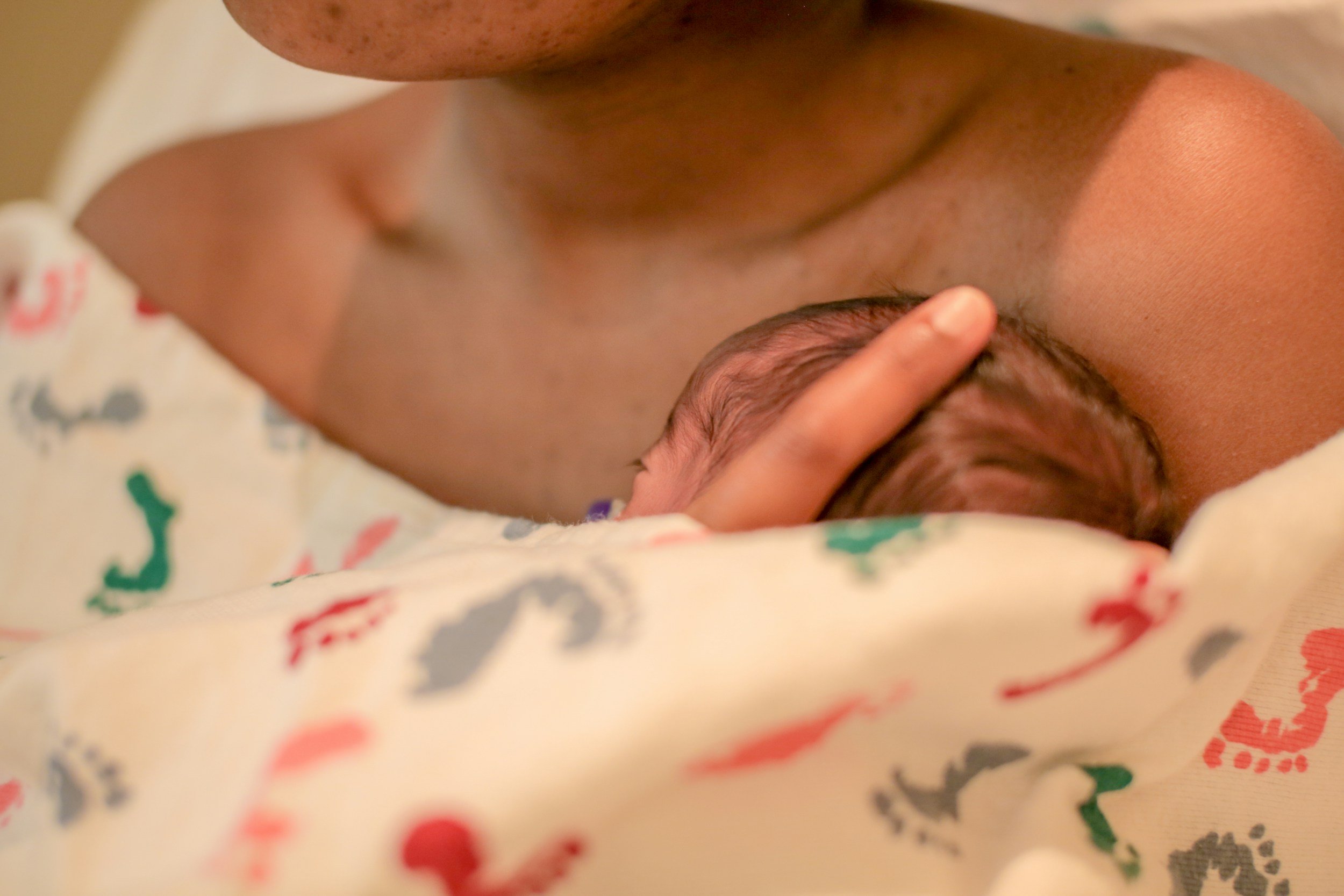
What Birth Trauma Symptoms Should Not Be Ignored?
A difficult birth can leave lasting emotional wounds, even if you and your baby are physically healthy. If you're wondering whether what you're experiencing is "normal" after childbirth, it's important to know that some birth trauma symptoms should not be ignored.
Many parents assume they'll simply "get over" a frightening or overwhelming birth experience. But for some, the emotional impact lingers long after they've left the hospital. Birth trauma can affect your mental health, relationships, confidence, and ability to enjoy the postpartum period.
The good news is that birth trauma is treatable, and healing is possible.

Who Is Most Prone to Postpartum Depression?
Who Is Most Prone to Postpartum Depression?
Postpartum depression can affect any new parent, regardless of age, income, or how much they wanted their baby. While some people have a higher risk, postpartum depression is never a sign of weakness or failure.
One of the most common questions I hear is, "Why did this happen to me?" The truth is that postpartum depression is caused by a combination of biological, psychological, and environmental factors—not by something you did wrong.
Understanding the risk factors can help you recognize symptoms earlier and get support before they become overwhelming.

Are You Considered Postpartum After a Miscarriage?
Are You Considered Postpartum After a Miscarriage?
Yes. Medically and emotionally, you are considered postpartum after a miscarriage.
Many people are surprised to learn this because the word postpartum is often associated with bringing home a healthy baby. But postpartum simply means "after pregnancy." Whether your pregnancy ended with a live birth, miscarriage, stillbirth, or termination, your body and mind still experience significant changes during the postpartum period.
If you've experienced a miscarriage and are wondering why you're feeling physically exhausted, emotionally overwhelmed, anxious, or unlike yourself, you're not imagining it. Your experience is real, and you deserve care and support.

What Postpartum Symptoms Should Not Be Ignored?
The weeks and months after having a baby bring enormous physical, emotional, and hormonal changes. While some mood swings, exhaustion, and anxiety are expected, certain postpartum symptoms should never be ignored.
Many new mothers assume that if they're struggling, they're simply "not handling motherhood well." In reality, postpartum mental health conditions are common, treatable, and deserve the same attention as any physical health concern.
If you're wondering whether what you're experiencing is "normal," this guide will help you recognize the postpartum symptoms that may signal it's time to seek support.

What Type of Therapy Is Best for Birth Trauma?
If you're searching for the best therapy for birth trauma, you're probably looking for more than a diagnosis—you want to know what actually helps.
Maybe your birth didn't go the way you expected. Perhaps you experienced an emergency C-section, felt dismissed by your medical team, feared for your life or your baby's life, or left the hospital feeling disconnected, anxious, or constantly replaying what happened.
Birth trauma can affect you long after your baby is born. The good news is that therapy can help you process what happened, reduce the emotional intensity of those memories, and begin to feel like yourself again.
Birth Trauma Therapy in New York: What to Look for in a Therapist Who Actually Gets It
Searching for a therapist can feel overwhelming.
However, searching for a therapist after a traumatic birth can feel near impossible.
Maybe you’ve spent hours scrolling through therapist profiles and wondered who actually understands your experience.
Maybe you’ve even tried therapy previously but felt like you were encouraged to “focus on the healthy baby” or “be grateful everything turned out okay.”
Maybe you keep asking if your birth was traumatic enough to constitute therapy.
It’s not on you to have to convince your therapist that your experience mattered.

Minority Mental Health Awareness Month: What It Gets Right (and What We Still Need to Do for Moms)
Every July, Minority Mental Health Awareness Month shines a much-needed light on disparities in mental health care.
That’s important.
Because for too long, conversations about mental health have overlooked the experiences of people from marginalized communities—particularly Black mothers, who continue to experience significant disparities in maternal health outcomes and often face barriers to receiving compassionate, culturally responsive mental health care.
The increased awareness matters.
But awareness alone isn’t enough.

What Questions Should You Ask a Therapist Before Starting Maternal Mental Health Therapy?
Finding a therapist can feel overwhelming, especially when you're already carrying so much.
Maybe you're struggling with mom rage, postpartum anxiety, birth trauma, pregnancy loss, or simply feeling unlike yourself since becoming a mother. You know you need support, but now you're faced with another challenge: figuring out who can actually help.
The truth is that not all therapists have specialized training in maternal mental health. Just because someone works with anxiety or trauma doesn't necessarily mean they understand the unique emotional, physical, and relational challenges that can come with pregnancy, postpartum, and motherhood.
If you're looking for therapy support, here are seven questions worth asking before getting started.

Signs You’re Living in Survival Mode as a New Mom
You know that feeling where you are completely exhausted, yet the second your head hits the pillow, your brain starts racing? Or that sudden, intense spike of irritation when your partner asks a perfectly normal question, or the baby cries for the third time in an hour?
If you are constantly waiting for the other shoe to drop, feeling completely overstimulated, or operating on pure adrenaline just to get through the day, I want you to take a deep breath.
First: you are not a bad mom. Second: you aren't failing.
What you are experiencing is something incredibly common, yet rarely talked about in the pristine world of social media motherhood. You are living in survival mode. As a New York therapist working with moms every day—and as a mom who has been right there in the thick of it myself—I see how easily we slip into this state without even realizing it.
Let’s pull back the curtain on what survival mode actually does to your body, why it happens, and how you can finally start to breathe again.
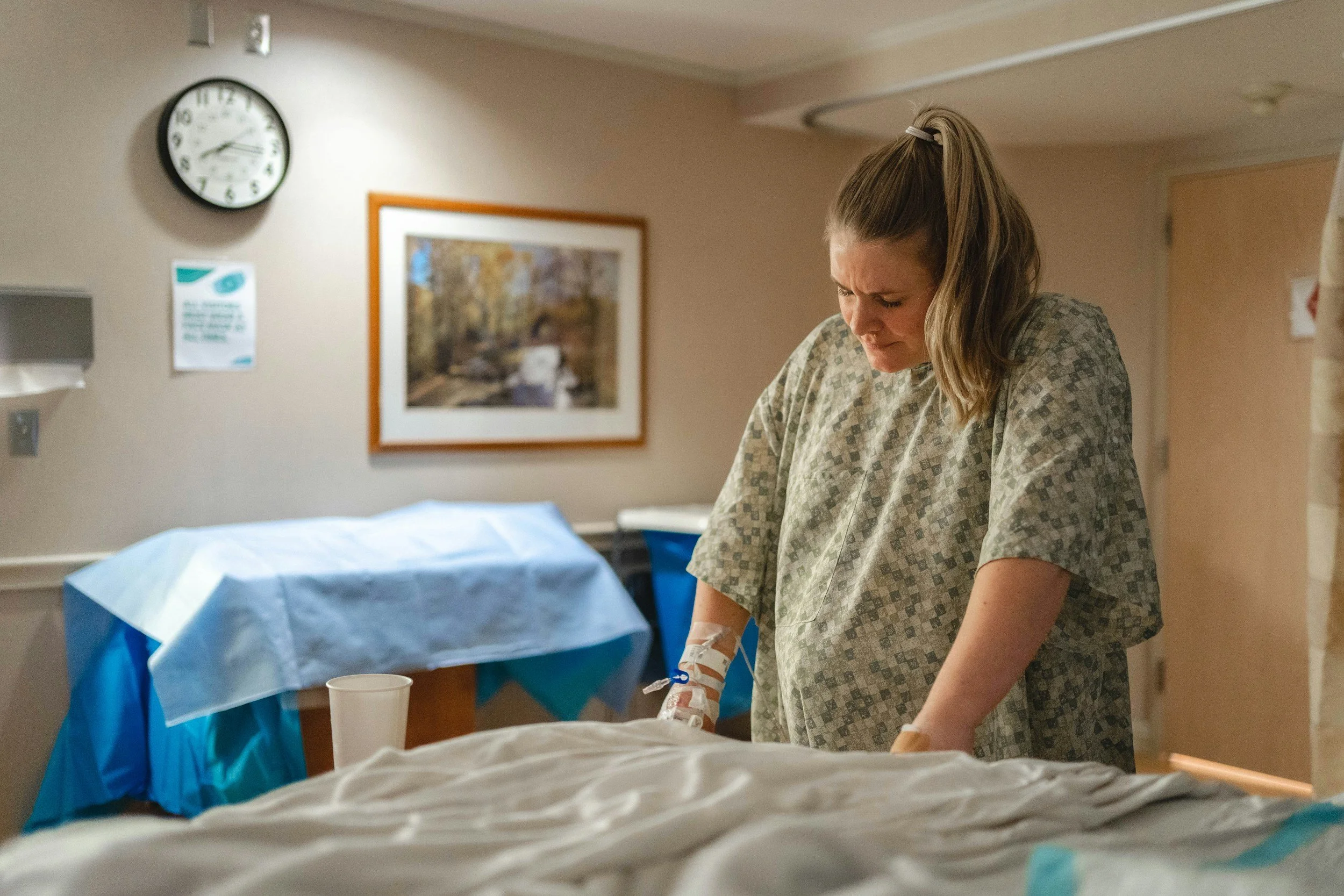
Is My Birth Experience Considered “Traumatic”? 5 Signs You May Have Birth Trauma
If you’ve recently had a baby in New York—whether you were at a hospital in Rochester or a smaller birth center near Ithaca—you might be struggling to process how it all went down.
Maybe people keep telling you, "At least the baby is healthy," or "You’re both here, that’s what matters." While those things are true, they don't erase the fact that your birth experience felt scary, out of your control, or even life-threatening.
Many parents ask me, "What is birth trauma, exactly?" They worry that because they didn't have an emergency C-section or a NICU stay, they aren't "allowed" to call their experience traumatic.
Here is the truth: Birth trauma is defined by your experience of the event, not just the medical coding. If you felt a sense of horror, helplessness, or fear for your life (or your baby's), your body may be holding onto that trauma.

Why Summer Is the Perfect Time to Start Prenatal Therapy
There’s something about summer—the slower pace, the longer days, the feeling of exhale after a long stretch of doing, doing, doing. Calendars open up a bit. The sun lingers into the evening. And for many, there's finally a little space to breathe.
While summer often gets filled with beach days, family trips, or time outdoors, it can also be a powerful time to turn inward. That natural pause you're feeling? It’s not just about rest—it's also a chance to reconnect with yourself. And for moms or moms-to-be navigating prenatal anxiety, birth trauma, loss, or depression, this season might be exactly the right moment to begin that healing process.

5 Common Misconceptions About Postpartum Therapy: What Every New Mom Needs to Know
Bringing a baby into the world is life-changing, beautiful, and often, well, a little overwhelming. If you've ever thought about seeking support during pregnancy or after birth, you might also have run into some confusion or hesitation. It's totally normal to have questions about something unfamiliar, and sometimes, those questions can turn into myths that keep us from getting the help we truly deserve.
As a therapist specializing in prenatal and postpartum mental health, I often hear common assumptions that create misunderstandings about what postpartum therapy (and therapy for pregnant women) is really all about. Let's clear up some of that confusion!

Balancing Family Dynamics During A Postpartum Summer: Your Guide to a Calmer Season
Ah, summer. The season of sunshine, long days, and... maternity leave! It's painted as this idyllic time for rest, bonding with your new baby, and enjoying family fun. But if you're a new parent navigating the perinatal period in New York, you know the reality can be a lot messier. What's supposed to be relaxing can quickly turn into a pressure cooker, amplifying family stress during summer and making you feel more overwhelmed than ever.
As a perinatal mental health therapist, I see firsthand how this season, especially with a new baby in the mix, can inadvertently create unexpected tension and stress in families. You're not alone if you're feeling this blend of hope and dread.