

Navigating New York State Paid Family Leave: Protecting Your Mental Health During Leave
If you’re a parent in New York, you’ve likely heard of NYS Paid Family Leave (PFL). On paper, it’s a win—guaranteed time off and a portion of your pay. But in reality, transitioning from "worker" to "full-time parent" (while recovering from birth) is a massive mental shift that a state handbook just doesn’t cover.
While PFL gives you the time to be home, it doesn't automatically give you the tools to manage the anxiety, isolation, or identity shifts that come with it.
Here is how to navigate the NYS PFL system while prioritizing your mental health.

Postpartum Rage: Why Am I So Angry and Why Does No One Talk About It?
We’ve all seen the pictures: the soft lighting, the peaceful nursing, the quiet bonding. But what about the moments where you’re clenching your jaw so hard it aches? Or when the sound of the dishwasher being loaded "wrong" feels like a personal attack?
If you’ve found yourself feeling a sudden, white-hot fury that seems to come out of nowhere, I want you to hear this first: You are not a bad mom. You aren't "crazy." And you are definitely not alone.
What you’re feeling is likely postpartum rage, and it’s a lot more common than our social media feeds let on.
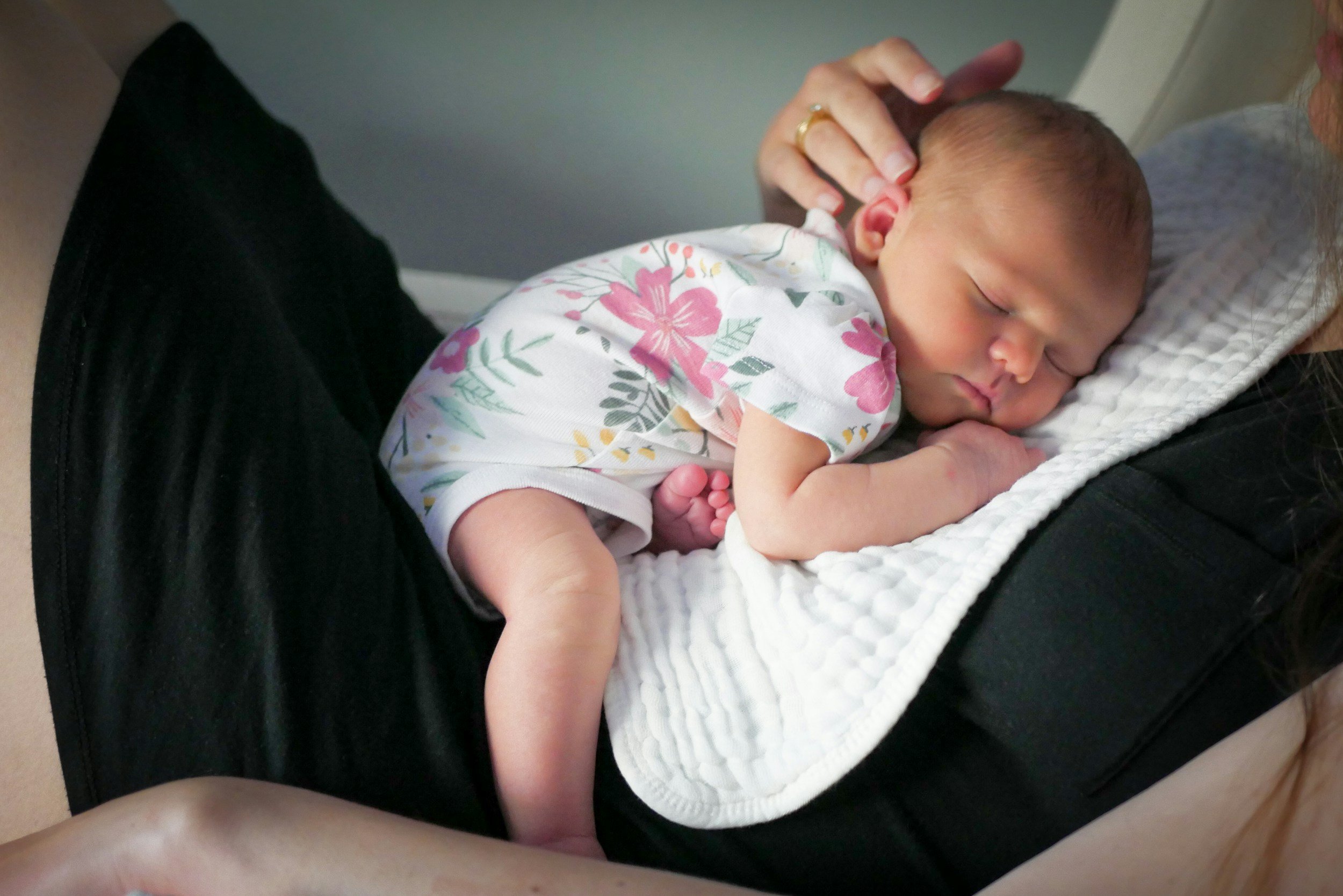
Therapy in Your PJs: How Telehealth Supports the “Contact Nap” and Breastfeeding Reality
Let’s be honest: the traditional "therapy hour" was not designed for a postpartum mom in New York.
Between navigating the stairs of a Bronx walk-up with a stroller, or the 30-minute drive into Ithaca from the outskirts of Groton, the logistics of getting to an office often feel harder than the actual therapy. By the time you pack the diaper bag, find a parking spot, and soothe a crying baby, your "healing hour" is already half over.
At Towner Therapy, I believe your mental health shouldn't depend on your ability to find a babysitter or a parking space. That’s where the benefits of telehealth truly shine.
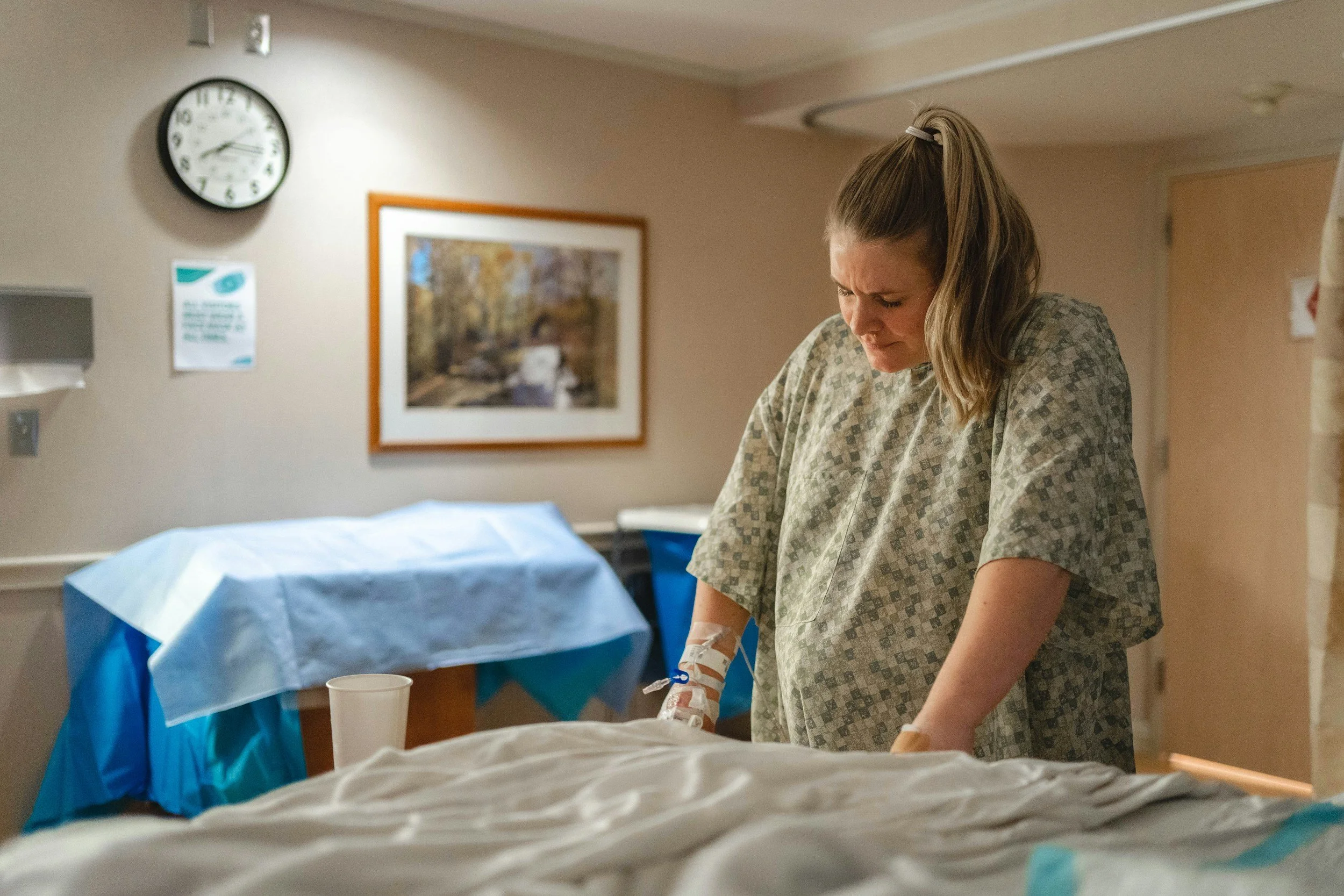
Is My Birth Experience Considered “Traumatic”? 5 Signs You May Have Birth Trauma
If you’ve recently had a baby in New York—whether you were at a hospital in Rochester or a smaller birth center near Ithaca—you might be struggling to process how it all went down.
Maybe people keep telling you, "At least the baby is healthy," or "You’re both here, that’s what matters." While those things are true, they don't erase the fact that your birth experience felt scary, out of your control, or even life-threatening.
Many parents ask me, "What is birth trauma, exactly?" They worry that because they didn't have an emergency C-section or a NICU stay, they aren't "allowed" to call their experience traumatic.
Here is the truth: Birth trauma is defined by your experience of the event, not just the medical coding. If you felt a sense of horror, helplessness, or fear for your life (or your baby's), your body may be holding onto that trauma.

Intrusive Thoughts vs. Postpartum OCD: When the “What Ifs” Become Overwhelming
If you are a new parent in New York—whether you’re navigating the busy streets of the Bronx or the quiet hills of Ithaca—you’ve likely experienced a "what if" moment.
What if I trip while carrying the baby down the stairs? What if the bathwater is too hot? What if I accidentally hurt my child?
For many, these thoughts are fleeting. But for others, these intrusive thoughts about the baby become loud, repetitive, and terrifying. When these thoughts start to dictate your day, it’s important to understand the difference between standard "new parent nerves" and Postpartum OCD symptoms.

Returning to Work After Maternity Leave: Navigating the Mental Health Transition
If you’re a professional in New York, you know the "Sunday Scaries." But when you’re facing the end of your maternity leave, those scaries can feel more like a full-blown crisis.
Whether you’re heading back to a high-rise in Manhattan, a school in Syracuse, a university office in Ithaca, or a home office in the Buffalo, the transition from "full-time mom" to "working mom" is one of the biggest mental shifts you’ll ever make. At Towner Therapy, I see so many women across New York—from the city to Upstate—who feel like they’re being pulled in two directions at once.
If you’re feeling a mix of guilt, dread, and maybe even a little bit of excitement (and then more guilt for that excitement), you aren't alone. Here is how to navigate the back-to-work anxiety that so many NY professionals face.

Prenatal Anxiety: Why It’s Okay to Not Feel the "Pregnancy Glow"
If you’ve spent any time on social media lately, you’ve probably seen the "pregnancy glow" everywhere. It’s usually a photo of a perfectly serene woman in a flowy dress, looking completely at peace.
But for many of the women I work with at Towner Therapy, the reality of pregnancy feels a lot less like a "glow" and a lot more like a constant, buzzing hum of "what ifs."
Is it Baby Blues or Postpartum Depression? How to Tell the Difference
The first few weeks after bringing a baby home to your apartment in the Bronx or your house in Westchester are a blur. Between the sleepless nights, the constant feedings, and the overwhelming shift in your identity, it’s normal to feel like you’re on an emotional rollercoaster.
Many new parents experience a period of weepiness and exhaustion known as the "baby blues." But for others, those feelings don't go away—they get heavier. As a perinatal mental health therapist in New York, one of the most common questions I hear is: "Is this just normal new-mom stress, or is it something more?"

Why Are We Fighting So Much After Having a Baby?
Before the baby arrived, maybe you and your partner felt like a team.
Sure, you had disagreements from time to time, but you generally felt connected. You knew how to communicate. You enjoyed spending time together.
Then the baby came.
Now you're arguing about dishes, laundry, bedtime routines, who got more sleep, or why you're the only one who seems to know where the extra pacifiers are.
If you've found yourself wondering, "Why are we fighting so much after having a baby?" you're not alone.
In fact, relationship stress is incredibly common during the postpartum period. And while it can feel alarming, it doesn't necessarily mean there's something wrong with your relationship.
More often, it means you're navigating one of the biggest transitions of your lives.

Am I Experiencing Postpartum Anxiety or Just New Mom Worry?
Becoming a mother changes everything.
Suddenly, there is a tiny human who depends on you for survival, and with that responsibility often comes worry.
You might find yourself checking the monitor repeatedly before bed. Googling symptoms late at night. Wondering if your baby is breathing. Replaying decisions in your head and questioning whether you're doing enough.
Some worry is a normal part of becoming a parent.
But many mothers find themselves wondering:
"Is this normal, or could I be experiencing postpartum anxiety?"
If you've been asking yourself that question, you're not alone.

From "What's Wrong?" to "What Happened?": Embracing Trauma-Informed Care in Perinatal Mental Health
As a perinatal mental health therapist, one of the most powerful shifts I've witnessed in our field is the growing embrace of trauma-informed care. This isn't just a buzzword; it's a fundamental change in how we approach support for expecting and new parents, moving away from the often-blaming question of "What's wrong with you?" to the deeply compassionate and insightful "What happened to you?"
The Human Connection: Why AI Can't Replace Relational Work in Postpartum Mental Health (Especially in NY!)
As a perinatal mental health therapist serving the amazing families of New York State (including right here in Ithaca!), I've been following the buzz around Artificial Intelligence (AI) in various fields, including mental health. While AI offers intriguing possibilities for certain aspects of well-being, I believe it's crucial to address why it falls short, particularly in the nuanced and deeply relational work of postpartum mental health and online therapy.

Why Summer Is the Perfect Time to Start Prenatal Therapy
There’s something about summer—the slower pace, the longer days, the feeling of exhale after a long stretch of doing, doing, doing. Calendars open up a bit. The sun lingers into the evening. And for many, there's finally a little space to breathe.
While summer often gets filled with beach days, family trips, or time outdoors, it can also be a powerful time to turn inward. That natural pause you're feeling? It’s not just about rest—it's also a chance to reconnect with yourself. And for moms or moms-to-be navigating prenatal anxiety, birth trauma, loss, or depression, this season might be exactly the right moment to begin that healing process.

5 Common Misconceptions About Postpartum Therapy: What Every New Mom Needs to Know
Bringing a baby into the world is life-changing, beautiful, and often, well, a little overwhelming. If you've ever thought about seeking support during pregnancy or after birth, you might also have run into some confusion or hesitation. It's totally normal to have questions about something unfamiliar, and sometimes, those questions can turn into myths that keep us from getting the help we truly deserve.
As a therapist specializing in prenatal and postpartum mental health, I often hear common assumptions that create misunderstandings about what postpartum therapy (and therapy for pregnant women) is really all about. Let's clear up some of that confusion!

Balancing Family Dynamics During A Postpartum Summer: Your Guide to a Calmer Season
Ah, summer. The season of sunshine, long days, and... maternity leave! It's painted as this idyllic time for rest, bonding with your new baby, and enjoying family fun. But if you're a new parent navigating the perinatal period in New York, you know the reality can be a lot messier. What's supposed to be relaxing can quickly turn into a pressure cooker, amplifying family stress during summer and making you feel more overwhelmed than ever.
As a perinatal mental health therapist, I see firsthand how this season, especially with a new baby in the mix, can inadvertently create unexpected tension and stress in families. You're not alone if you're feeling this blend of hope and dread.

Why Does Motherhood Feel So Lonely?
Before becoming a mother, many women imagine they'll be surrounded by support.
Friends will check in.
Family will help.
There will be people to lean on when things get hard.
And sometimes that's true.
But many mothers find themselves sitting in a room with their baby, wondering:
"Why do I feel so alone?"
If you've ever felt isolated, disconnected, or lonely in motherhood, you're far from the only one. In fact, loneliness is one of the most common experiences mothers face—and one of the least talked about.

You Don't Have to Do It All: How to Ask for Help as a Prenatal & Postpartum Parent in NY
The journey through pregnancy and new parenthood is a rollercoaster, right? It's filled with incredible love, but also a tidal wave of emotions and demands. If you're a new parent in New York (or expecting!), you know it can be a lot. As a perinatal mental health therapist, I see firsthand how tough it is for moms, dads, and caregivers to actually ask for help, even when they're truly struggling.

Finding Help at Home: The Advantages of Virtual Online Therapy for Prenatal & Postpartum Moms in NY
The journey through pregnancy and the postpartum period is a profound transformation, often accompanied by a whirlwind of emotions. While joy and anticipation are common, many individuals also experience significant mental health challenges during this time, collectively known as perinatal mental health conditions. From pregnancy anxiety and depression to postpartum depression (PPD) and postpartum anxiety (PPA), and even the emotional aftermath of birth trauma, these struggles are real and deserve dedicated support.

Infertility and Mental Health: Finding Support and Coping Strategies in NY
The journey of trying to conceive can be filled with hope and anticipation, but for many individuals and couples in New York, it can also bring unexpected heartache and frustration. Infertility is a deeply personal struggle that often extends far beyond the physical realm, significantly impacting mental and emotional well-being. As a perinatal mental health therapist, I understand the unique challenges and profound emotions that can arise during this journey, and I want you to know that you are not alone.