
Is it Baby Blues or Postpartum Depression? How to Tell the Difference
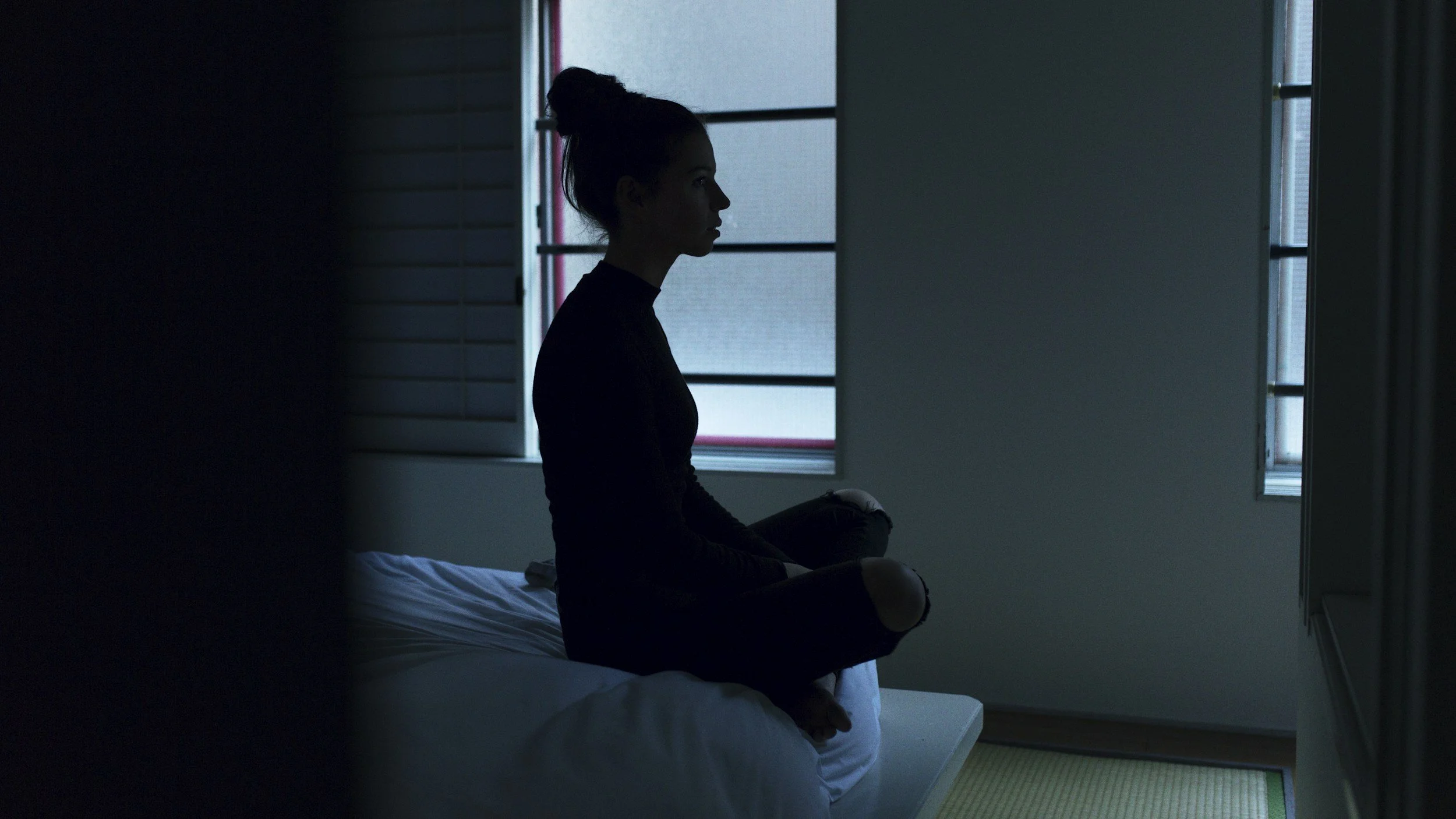
The first few weeks after bringing a baby home to your apartment in the Bronx or your house in Westchester are a blur. Between the sleepless nights, the constant feedings, and the overwhelming shift in your identity, it’s normal to feel like you’re on an emotional rollercoaster.
Many new parents experience a period of weepiness and exhaustion known as the "baby blues." But for others, those feelings don't go away—they get heavier. As a perinatal mental health therapist in New York, one of the most common questions I hear is: "Is this just normal new-mom stress, or is it something more?"
Understanding the difference between the baby blues and postpartum depression (PPD) is the first step toward getting the support you deserve.
What are the "Baby Blues"?
The baby blues are incredibly common, affecting up to 80% of new mothers. They typically kick in 2 to 3 days after birth as your hormones take a massive nosebleed dive.
Signs of the baby blues include:
Sudden bouts of crying for no clear reason.
Feeling impatient or irritable.
Anxiety about your ability to care for the baby.
Feeling "on edge" or restless.
The Key Difference: The baby blues are temporary. They usually peak around day five and fade away completely by the time your baby is two weeks old. While they are draining, they don't typically interfere with your ability to care for yourself or your newborn.
When it’s More Than "Just the Blues": Signs of Postpartum Depression (PPD)
Unlike the baby blues, postpartum depression is a clinical mental health condition. It doesn’t always start immediately; it can show up anytime within the first year after birth. If you are still feeling "off" after those first two weeks, it’s time to take a closer look.
Common symptoms of PPD include:
Low Mood: Feeling sad, hopeless, or "empty" most of the day, every day.
Loss of Interest: Finding no joy in things you used to love, or even struggling to feel a connection to your baby.
Sleep and Appetite Changes: Being unable to sleep even when the baby is sleeping, or extreme changes in how much you’re eating.
Intrusive Thoughts: Scary, repetitive thoughts about something bad happening to the baby or yourself.
Physical Aches: Unexplained headaches or stomach issues that don't go away.
Feelings of Failure: Heavy guilt or the persistent thought that your baby would be better off without you.
Why NY Moms Often Delay Asking for Help
Living in New York City or the surrounding areas comes with a specific kind of pressure. We are told to "hustle," to be "tough," and to get back on our feet quickly. You might feel like you should be able to handle the subway commute with a stroller or manage the "mental load" of the household without breaking a sweat.
This "supermom" myth leads to postpartum shame. You might worry that admitting you're struggling makes you a "bad mom."
The truth: Postpartum depression is a complication of childbirth, just like gestational diabetes or high blood pressure. It is not a character flaw, and it is not your fault.
How Postpartum Therapy Can Help
If you think you might be experiencing PPD, you don't have to white-knuckle your way through it. Postpartum therapy provides a safe, confidential space to process these heavy emotions and develop real-world coping strategies.
At Towner Therapy, I offer online therapy for moms across New York State. This means:
No Commute: You can have your session from your living room in the Bronx or your office in Albany.
Baby-Friendly: If the baby is napping or needs to be held during our session, that is perfectly okay.
Specialized Care: We focus specifically on maternal mental health, including PPD, PPA, and birth trauma.
Take the First Step
Whether you are in the thick of the baby blues or you’ve been feeling low for months, your well-being matters. You deserve to feel like yourself again, and your baby deserves a healthy, supported parent.
Ready to find your calm? Schedule a free, 15-minute consultation today to learn how online perinatal therapy can support your journey into motherhood. You aren't alone, and help is just a click away.
