
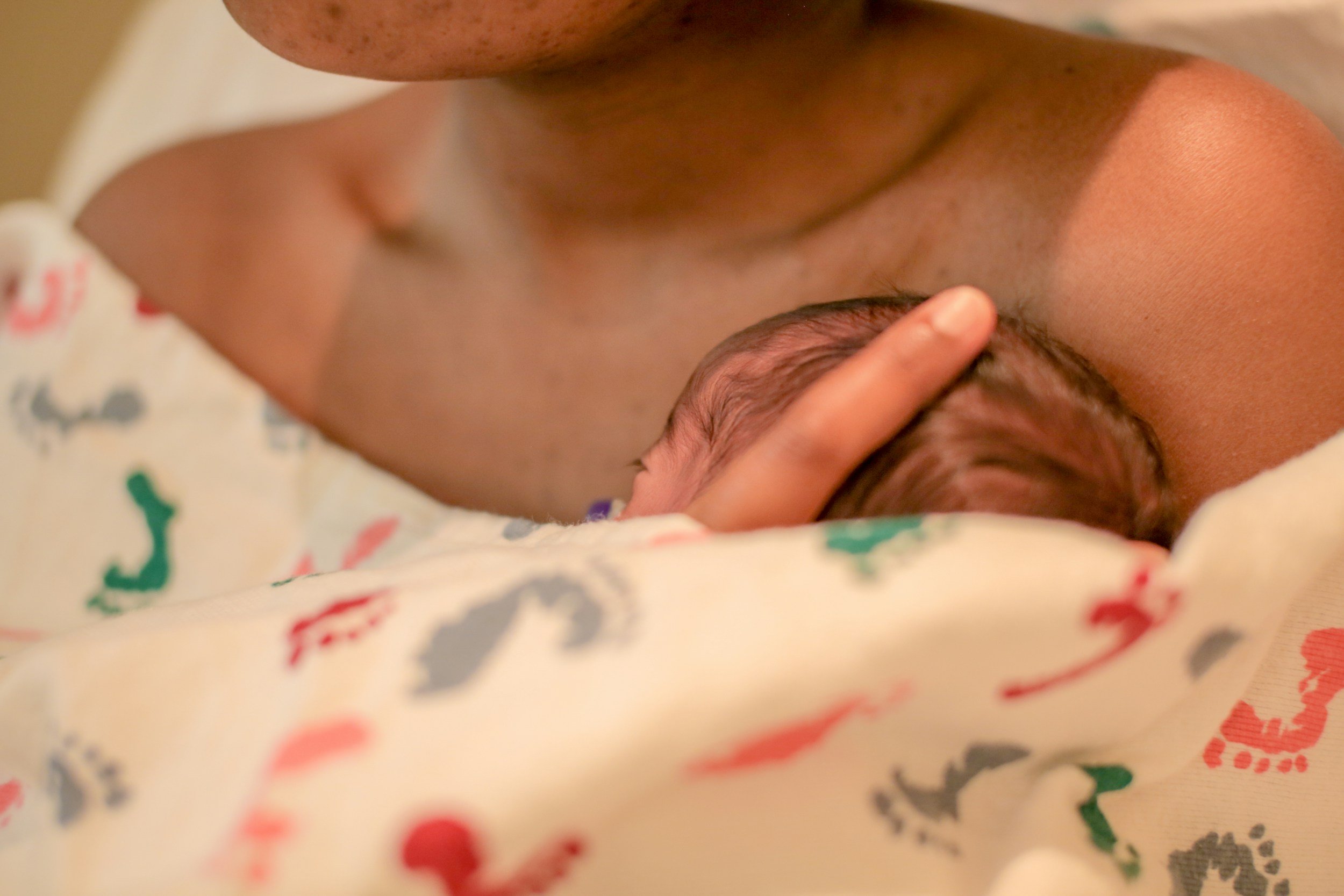
What Birth Trauma Symptoms Should Not Be Ignored?
A difficult birth can leave lasting emotional wounds, even if you and your baby are physically healthy. If you're wondering whether what you're experiencing is "normal" after childbirth, it's important to know that some birth trauma symptoms should not be ignored.
Many parents assume they'll simply "get over" a frightening or overwhelming birth experience. But for some, the emotional impact lingers long after they've left the hospital. Birth trauma can affect your mental health, relationships, confidence, and ability to enjoy the postpartum period.
The good news is that birth trauma is treatable, and healing is possible.

Who Is Most Prone to Postpartum Depression?
Who Is Most Prone to Postpartum Depression?
Postpartum depression can affect any new parent, regardless of age, income, or how much they wanted their baby. While some people have a higher risk, postpartum depression is never a sign of weakness or failure.
One of the most common questions I hear is, "Why did this happen to me?" The truth is that postpartum depression is caused by a combination of biological, psychological, and environmental factors—not by something you did wrong.
Understanding the risk factors can help you recognize symptoms earlier and get support before they become overwhelming.

Are You Considered Postpartum After a Miscarriage?
Are You Considered Postpartum After a Miscarriage?
Yes. Medically and emotionally, you are considered postpartum after a miscarriage.
Many people are surprised to learn this because the word postpartum is often associated with bringing home a healthy baby. But postpartum simply means "after pregnancy." Whether your pregnancy ended with a live birth, miscarriage, stillbirth, or termination, your body and mind still experience significant changes during the postpartum period.
If you've experienced a miscarriage and are wondering why you're feeling physically exhausted, emotionally overwhelmed, anxious, or unlike yourself, you're not imagining it. Your experience is real, and you deserve care and support.

What Postpartum Symptoms Should Not Be Ignored?
The weeks and months after having a baby bring enormous physical, emotional, and hormonal changes. While some mood swings, exhaustion, and anxiety are expected, certain postpartum symptoms should never be ignored.
Many new mothers assume that if they're struggling, they're simply "not handling motherhood well." In reality, postpartum mental health conditions are common, treatable, and deserve the same attention as any physical health concern.
If you're wondering whether what you're experiencing is "normal," this guide will help you recognize the postpartum symptoms that may signal it's time to seek support.

What Type of Therapy Is Best for Birth Trauma?
If you're searching for the best therapy for birth trauma, you're probably looking for more than a diagnosis—you want to know what actually helps.
Maybe your birth didn't go the way you expected. Perhaps you experienced an emergency C-section, felt dismissed by your medical team, feared for your life or your baby's life, or left the hospital feeling disconnected, anxious, or constantly replaying what happened.
Birth trauma can affect you long after your baby is born. The good news is that therapy can help you process what happened, reduce the emotional intensity of those memories, and begin to feel like yourself again.
Birth Trauma Therapy in New York: What to Look for in a Therapist Who Actually Gets It
Searching for a therapist can feel overwhelming.
However, searching for a therapist after a traumatic birth can feel near impossible.
Maybe you’ve spent hours scrolling through therapist profiles and wondered who actually understands your experience.
Maybe you’ve even tried therapy previously but felt like you were encouraged to “focus on the healthy baby” or “be grateful everything turned out okay.”
Maybe you keep asking if your birth was traumatic enough to constitute therapy.
It’s not on you to have to convince your therapist that your experience mattered.

Why Postpartum Anxiety Can Feel Louder in the Summer (And What That Actually Means)
Do you ever say to yourself “shouldn’t I be happy? it’s the summer!”
Yes, there are many ways that summer is portrayed as the season when life feel lighter and more free. But for an anxious mom with a new baby, you may not be experiencing that summertime bliss.
You might feel like something is wrong with you if you’re finding that your postpartum anxiety (PPA) is actually worse in the summer.
Is there something wrong? No.
As a maternal mental health therapist, I often see postpartum anxiety intensify during the summer months. It’s not because you’re doing something wrong, but because the season asks something different of your nervous system.

Why Do I Feel So Anxious About Taking My Baby to Family Gatherings?
“Everyone keeps asking when they’re finally going to meet the baby… so why am I dreading going?”
If you’ve recently had a baby, you may have noticed something confusing.
You used to enjoy family gatherings.
Now, even the thought of packing up your baby for a birthday party, holiday, family barbecue, or cookout makes your stomach tighten.
You replay every possible scenario in your mind.
Will the baby nap?
What if they cry the entire time?
What if someone wants to hold them and I don’t want them to?
What if they get overstimulated?
What if everyone thinks I’m being overprotective?
Then you catch yourself wondering…
“Why is this so hard for me?”
If this sounds familiar, you’re not alone.
As a maternal mental health therapist, I hear this from new moms all the time.

Perfectionism as a Trauma Response: Why So Many Overwhelmed Moms Feel Like They're Never Doing Enough
Perfectionism is often celebrated in our culture.
You're organized. Responsible. Reliable. The one who remembers the pediatrician appointment, signs the permission slip, brings the snacks, and somehow keeps everything moving.
From the outside, perfectionism can look like success.
But on the inside?
It often feels exhausting.
Many of the moms I work with describe feeling like they're constantly chasing an impossible standard. No matter how much they accomplish, there's always another task, another expectation, another reason to feel like they're falling short.
What many people don't realize is that perfectionism isn't always a personality trait. Sometimes, it's a trauma response.

Why Overwhelmed Moms Struggle With Rage More Than Anyone Talks About
If you’ve found yourself snapping more easily, feeling constantly overstimulated, or wondering why you feel so angry all the time after becoming a mom — you are not alone.
And no, it does not make you a bad mother.
One of the hardest things about maternal mental health is how often moms are expected to keep functioning no matter how overwhelmed they actually feel. You’re still supposed to show up, care for everyone else, manage the mental load, regulate your emotions, and somehow appreciate every moment while doing it.
Meanwhile, many mothers are quietly drowning in overstimulation, resentment, anxiety, guilt, exhaustion, and nervous system overload.
And honestly? We do not talk nearly enough about how common mom rage actually is.

Navigating New York State Paid Family Leave: Protecting Your Mental Health During Leave
If you’re a parent in New York, you’ve likely heard of NYS Paid Family Leave (PFL). On paper, it’s a win—guaranteed time off and a portion of your pay. But in reality, transitioning from "worker" to "full-time parent" (while recovering from birth) is a massive mental shift that a state handbook just doesn’t cover.
While PFL gives you the time to be home, it doesn't automatically give you the tools to manage the anxiety, isolation, or identity shifts that come with it.
Here is how to navigate the NYS PFL system while prioritizing your mental health.

Am I Experiencing Postpartum Anxiety or Just New Mom Worry?
Becoming a mother changes everything.
Suddenly, there is a tiny human who depends on you for survival, and with that responsibility often comes worry.
You might find yourself checking the monitor repeatedly before bed. Googling symptoms late at night. Wondering if your baby is breathing. Replaying decisions in your head and questioning whether you're doing enough.
Some worry is a normal part of becoming a parent.
But many mothers find themselves wondering:
"Is this normal, or could I be experiencing postpartum anxiety?"
If you've been asking yourself that question, you're not alone.
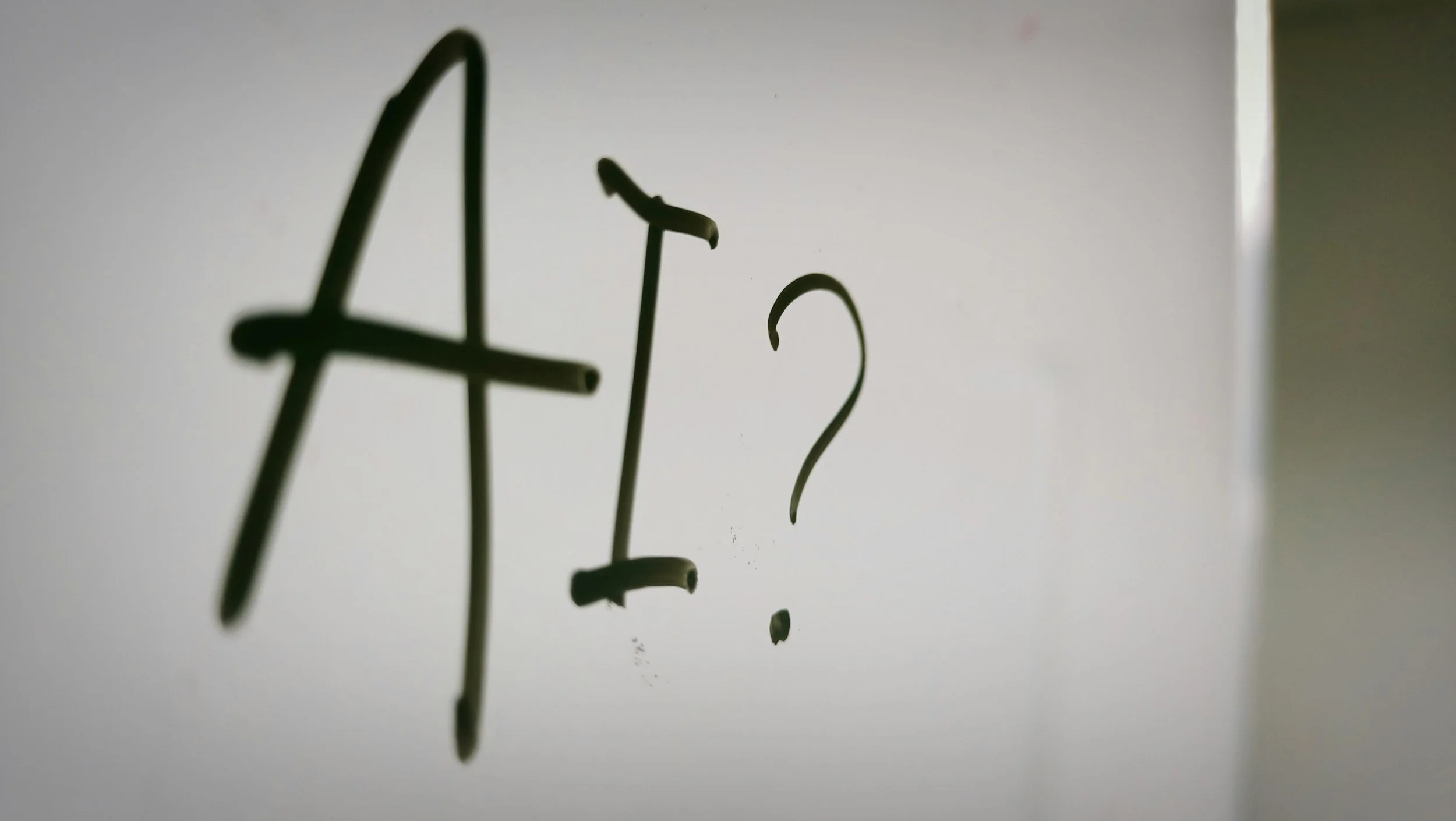
The Human Connection: Why AI Can't Replace Relational Work in Postpartum Mental Health (Especially in NY!)
As a perinatal mental health therapist serving the amazing families of New York State (including right here in Ithaca!), I've been following the buzz around Artificial Intelligence (AI) in various fields, including mental health. While AI offers intriguing possibilities for certain aspects of well-being, I believe it's crucial to address why it falls short, particularly in the nuanced and deeply relational work of postpartum mental health and online therapy.

Why Summer Is the Perfect Time to Start Prenatal Therapy
There’s something about summer—the slower pace, the longer days, the feeling of exhale after a long stretch of doing, doing, doing. Calendars open up a bit. The sun lingers into the evening. And for many, there's finally a little space to breathe.
While summer often gets filled with beach days, family trips, or time outdoors, it can also be a powerful time to turn inward. That natural pause you're feeling? It’s not just about rest—it's also a chance to reconnect with yourself. And for moms or moms-to-be navigating prenatal anxiety, birth trauma, loss, or depression, this season might be exactly the right moment to begin that healing process.

5 Common Misconceptions About Postpartum Therapy: What Every New Mom Needs to Know
Bringing a baby into the world is life-changing, beautiful, and often, well, a little overwhelming. If you've ever thought about seeking support during pregnancy or after birth, you might also have run into some confusion or hesitation. It's totally normal to have questions about something unfamiliar, and sometimes, those questions can turn into myths that keep us from getting the help we truly deserve.
As a therapist specializing in prenatal and postpartum mental health, I often hear common assumptions that create misunderstandings about what postpartum therapy (and therapy for pregnant women) is really all about. Let's clear up some of that confusion!