
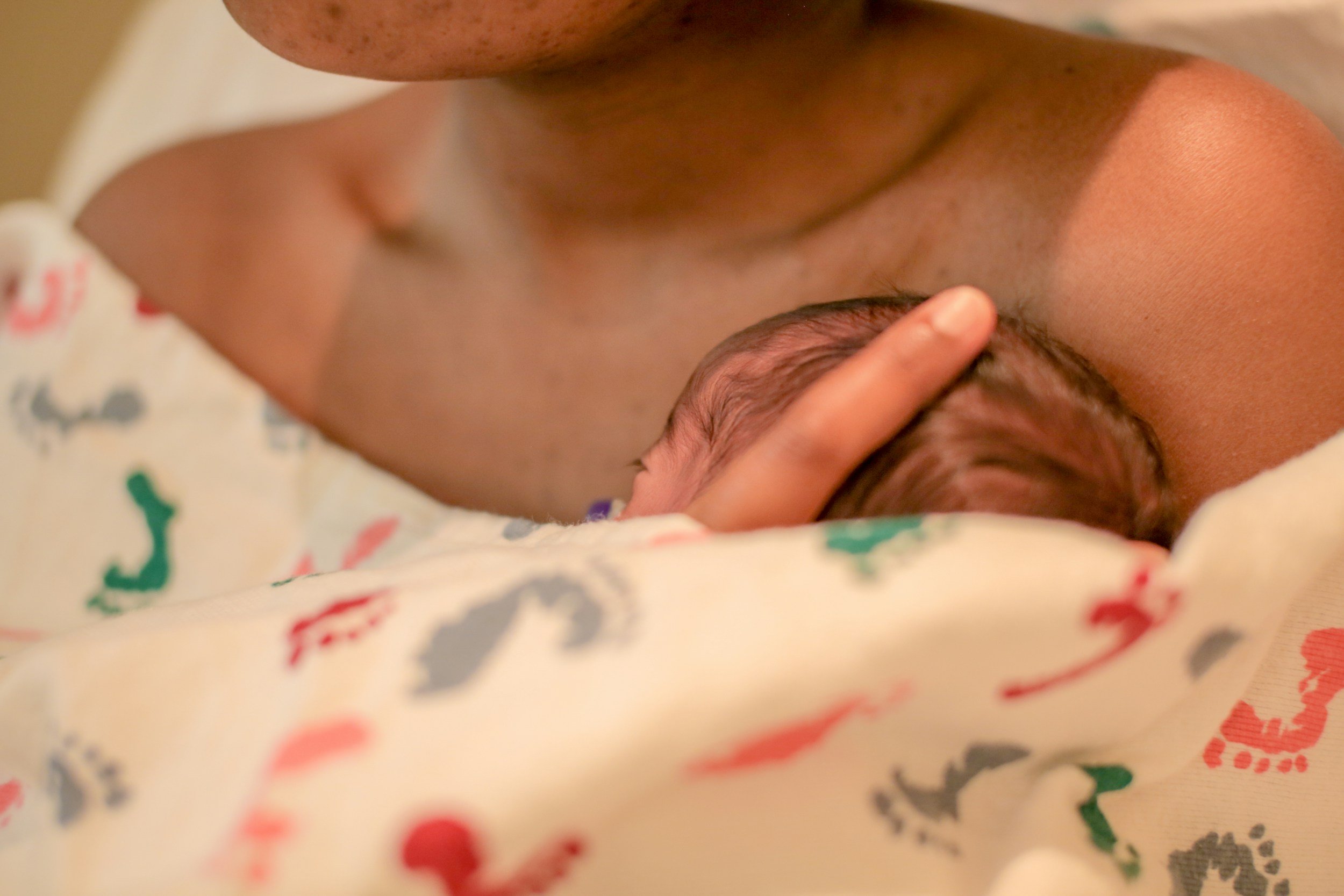
What Birth Trauma Symptoms Should Not Be Ignored?
A difficult birth can leave lasting emotional wounds, even if you and your baby are physically healthy. If you're wondering whether what you're experiencing is "normal" after childbirth, it's important to know that some birth trauma symptoms should not be ignored.
Many parents assume they'll simply "get over" a frightening or overwhelming birth experience. But for some, the emotional impact lingers long after they've left the hospital. Birth trauma can affect your mental health, relationships, confidence, and ability to enjoy the postpartum period.
The good news is that birth trauma is treatable, and healing is possible.

What Postpartum Symptoms Should Not Be Ignored?
The weeks and months after having a baby bring enormous physical, emotional, and hormonal changes. While some mood swings, exhaustion, and anxiety are expected, certain postpartum symptoms should never be ignored.
Many new mothers assume that if they're struggling, they're simply "not handling motherhood well." In reality, postpartum mental health conditions are common, treatable, and deserve the same attention as any physical health concern.
If you're wondering whether what you're experiencing is "normal," this guide will help you recognize the postpartum symptoms that may signal it's time to seek support.

Why Postpartum Anxiety Can Feel Louder in the Summer (And What That Actually Means)
Do you ever say to yourself “shouldn’t I be happy? it’s the summer!”
Yes, there are many ways that summer is portrayed as the season when life feel lighter and more free. But for an anxious mom with a new baby, you may not be experiencing that summertime bliss.
You might feel like something is wrong with you if you’re finding that your postpartum anxiety (PPA) is actually worse in the summer.
Is there something wrong? No.
As a maternal mental health therapist, I often see postpartum anxiety intensify during the summer months. It’s not because you’re doing something wrong, but because the season asks something different of your nervous system.

Minority Mental Health Awareness Month: What It Gets Right (and What We Still Need to Do for Moms)
Every July, Minority Mental Health Awareness Month shines a much-needed light on disparities in mental health care.
That’s important.
Because for too long, conversations about mental health have overlooked the experiences of people from marginalized communities—particularly Black mothers, who continue to experience significant disparities in maternal health outcomes and often face barriers to receiving compassionate, culturally responsive mental health care.
The increased awareness matters.
But awareness alone isn’t enough.

Why Do I Feel So Anxious About Taking My Baby to Family Gatherings?
“Everyone keeps asking when they’re finally going to meet the baby… so why am I dreading going?”
If you’ve recently had a baby, you may have noticed something confusing.
You used to enjoy family gatherings.
Now, even the thought of packing up your baby for a birthday party, holiday, family barbecue, or cookout makes your stomach tighten.
You replay every possible scenario in your mind.
Will the baby nap?
What if they cry the entire time?
What if someone wants to hold them and I don’t want them to?
What if they get overstimulated?
What if everyone thinks I’m being overprotective?
Then you catch yourself wondering…
“Why is this so hard for me?”
If this sounds familiar, you’re not alone.
As a maternal mental health therapist, I hear this from new moms all the time.

What Nobody Tells You About Healing from Mom Rage
When most mothers start working on their anger, they hope for one thing:
To stop feeling so angry.
They want fewer outbursts.
Less irritability.
More patience.
More calm.
And while those things are absolutely possible, there's a lot about healing from mom rage that doesn't get talked about.
Social media often makes healing look quick and straightforward. Follow these tips. Regulate your nervous system. Practice self-care. Set boundaries.
Problem solved.
In reality, healing from mom rage is often much more complex—and much more human.
Here are six things nobody tells you about the healing process.

7 Signs You're Experiencing Postpartum Anxiety, Not Just Normal New Mom Worry
Every new parent worries.
You check to make sure your baby is breathing.
You wonder if they're eating enough.
You second-guess decisions and Google things at 2 a.m.
Some worry is a normal part of caring deeply about your child.
But many mothers find themselves wondering:
"How do I know if this is normal new mom worry or postpartum anxiety?"
It's an important question because postpartum anxiety is one of the most common maternal mental health challenges—and it's often overlooked.
Many moms assume they're simply being cautious, responsible, or attentive when, in reality, anxiety has quietly taken over much more space than they realize.
Here are seven signs that what you're experiencing may be postpartum anxiety rather than typical new-parent concerns.
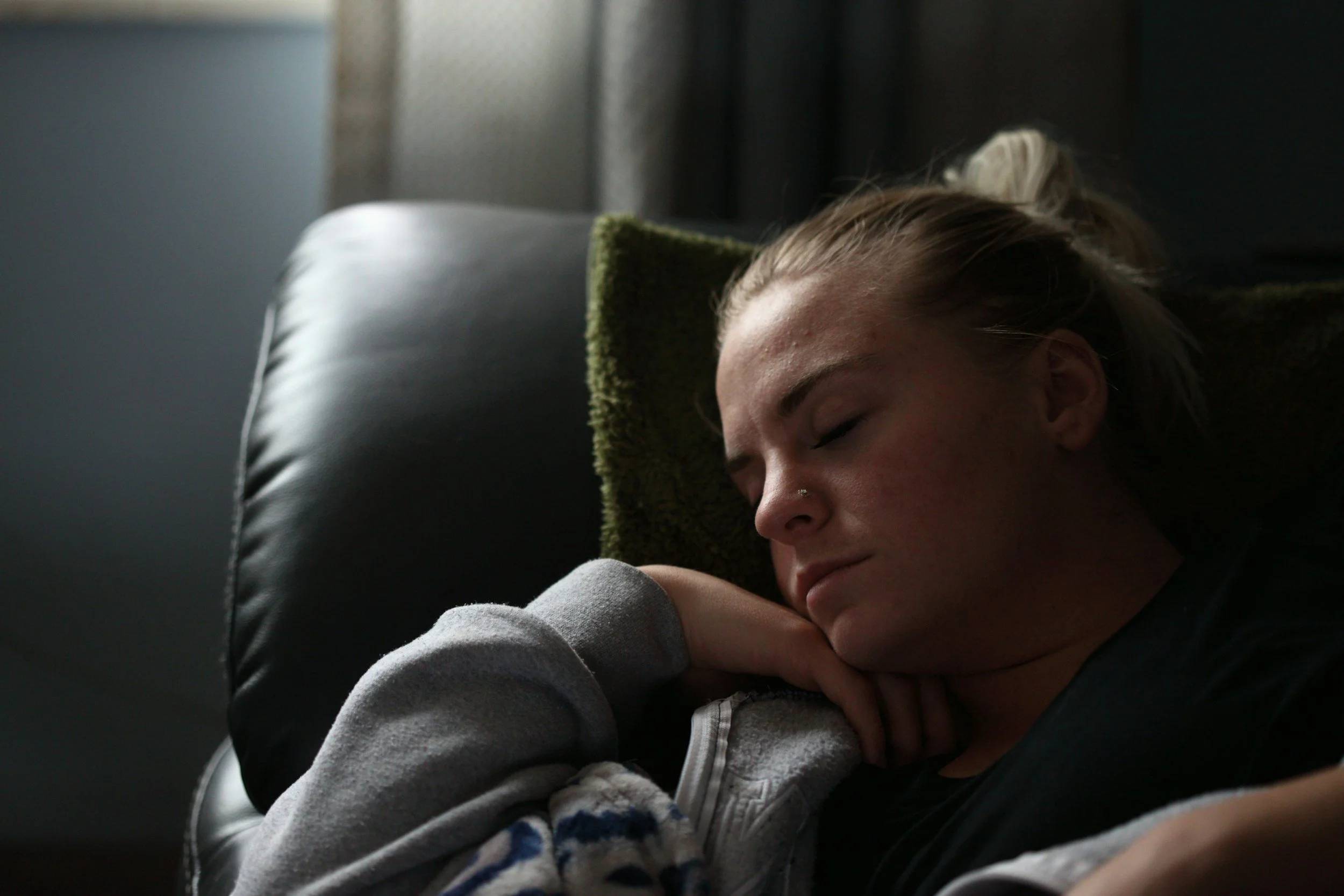
Why "Just Take Time for Yourself" Doesn't Work for Overwhelmed Moms: What Actually Helps
If you're a mother who feels exhausted, overwhelmed, irritable, or constantly on edge, chances are you've received some version of this advice:
"Just take some time for yourself."
Maybe it's:
Take a bubble bath.
Go get a massage.
Schedule a girls' night.
Practice self-care.
Take a break.
While these suggestions are usually well-intentioned, many mothers walk away feeling even more frustrated.
Not because self-care is bad.
But because the problem is often much bigger than a lack of bubble baths.
If you've ever thought, "I did the self-care thing and I still feel overwhelmed," you're not alone.

Why Does Healing Sometimes Feel Worse Before It Gets Better?
Starting therapy often comes with hope.
Maybe you're finally addressing the postpartum anxiety you've been carrying for months. Maybe you're beginning to process a traumatic birth experience. Maybe you're exploring the roots of your mom rage, perfectionism, or chronic overwhelm.
You expect therapy to help you feel better.
So it can be incredibly confusing when, instead, you find yourself feeling more emotional, more exhausted, or even more anxious.
Many clients ask some version of the same question:
"Is this normal?"
In many cases, yes.
While therapy should never leave you feeling consistently overwhelmed or unsafe, it is not uncommon for healing to feel uncomfortable before it starts to feel easier.

Why Am I Always Exhausted, Tense, and Overwhelmed? What Your Body Might Be Trying to Tell You
Many mothers come to therapy convinced something is wrong with them physically.
They're exhausted all the time.
Their shoulders feel permanently tense.
They get headaches, stomach aches, or struggle to sleep even when they're completely worn out.
Some describe feeling like they're constantly running on empty. Others say they feel on edge all the time but can't explain why.
Naturally, many moms start by looking for medical answers.
And sometimes that's absolutely the right place to begin.
It's important to rule out medical concerns, hormonal changes, nutritional deficiencies, thyroid issues, and other physical conditions that can contribute to symptoms.
But what many mothers don't realize is that stress, anxiety, trauma, and nervous system overload can also have a profound impact on the body.
In other words, emotional distress doesn't just live in your mind.
It often shows up in your body, too.

Why Does Becoming a Mom Sometimes Trigger Anxiety, Rage, or Old Trauma?
You expected motherhood to change your life.
You may not have expected it to change you.
Many mothers are surprised by how intensely pregnancy, birth, and parenthood impact their emotional well-being. Maybe you've noticed your anxiety feels worse than it used to. Maybe you're snapping more easily, feeling overwhelmed by everyday responsibilities, or finding yourself unexpectedly triggered by situations that never bothered you before.
You might even wonder:
"Why is this happening now?"
The truth is that becoming a mother is one of the biggest life transitions a person can experience. And major life transitions often have a way of bringing old wounds, fears, stressors, and unresolved experiences to the surface.
That doesn't mean something is wrong with you.
It means you're human.

What Questions Should You Ask a Therapist Before Starting Maternal Mental Health Therapy?
Finding a therapist can feel overwhelming, especially when you're already carrying so much.
Maybe you're struggling with mom rage, postpartum anxiety, birth trauma, pregnancy loss, or simply feeling unlike yourself since becoming a mother. You know you need support, but now you're faced with another challenge: figuring out who can actually help.
The truth is that not all therapists have specialized training in maternal mental health. Just because someone works with anxiety or trauma doesn't necessarily mean they understand the unique emotional, physical, and relational challenges that can come with pregnancy, postpartum, and motherhood.
If you're looking for therapy support, here are seven questions worth asking before getting started.

Why Overwhelmed Moms Struggle With Rage More Than Anyone Talks About
If you’ve found yourself snapping more easily, feeling constantly overstimulated, or wondering why you feel so angry all the time after becoming a mom — you are not alone.
And no, it does not make you a bad mother.
One of the hardest things about maternal mental health is how often moms are expected to keep functioning no matter how overwhelmed they actually feel. You’re still supposed to show up, care for everyone else, manage the mental load, regulate your emotions, and somehow appreciate every moment while doing it.
Meanwhile, many mothers are quietly drowning in overstimulation, resentment, anxiety, guilt, exhaustion, and nervous system overload.
And honestly? We do not talk nearly enough about how common mom rage actually is.

Signs You’re Living in Survival Mode as a New Mom
You know that feeling where you are completely exhausted, yet the second your head hits the pillow, your brain starts racing? Or that sudden, intense spike of irritation when your partner asks a perfectly normal question, or the baby cries for the third time in an hour?
If you are constantly waiting for the other shoe to drop, feeling completely overstimulated, or operating on pure adrenaline just to get through the day, I want you to take a deep breath.
First: you are not a bad mom. Second: you aren't failing.
What you are experiencing is something incredibly common, yet rarely talked about in the pristine world of social media motherhood. You are living in survival mode. As a New York therapist working with moms every day—and as a mom who has been right there in the thick of it myself—I see how easily we slip into this state without even realizing it.
Let’s pull back the curtain on what survival mode actually does to your body, why it happens, and how you can finally start to breathe again.

Why Are We Fighting So Much After Having a Baby?
Before the baby arrived, maybe you and your partner felt like a team.
Sure, you had disagreements from time to time, but you generally felt connected. You knew how to communicate. You enjoyed spending time together.
Then the baby came.
Now you're arguing about dishes, laundry, bedtime routines, who got more sleep, or why you're the only one who seems to know where the extra pacifiers are.
If you've found yourself wondering, "Why are we fighting so much after having a baby?" you're not alone.
In fact, relationship stress is incredibly common during the postpartum period. And while it can feel alarming, it doesn't necessarily mean there's something wrong with your relationship.
More often, it means you're navigating one of the biggest transitions of your lives.

Am I Experiencing Postpartum Anxiety or Just New Mom Worry?
Becoming a mother changes everything.
Suddenly, there is a tiny human who depends on you for survival, and with that responsibility often comes worry.
You might find yourself checking the monitor repeatedly before bed. Googling symptoms late at night. Wondering if your baby is breathing. Replaying decisions in your head and questioning whether you're doing enough.
Some worry is a normal part of becoming a parent.
But many mothers find themselves wondering:
"Is this normal, or could I be experiencing postpartum anxiety?"
If you've been asking yourself that question, you're not alone.

Why Does Motherhood Feel So Lonely?
Before becoming a mother, many women imagine they'll be surrounded by support.
Friends will check in.
Family will help.
There will be people to lean on when things get hard.
And sometimes that's true.
But many mothers find themselves sitting in a room with their baby, wondering:
"Why do I feel so alone?"
If you've ever felt isolated, disconnected, or lonely in motherhood, you're far from the only one. In fact, loneliness is one of the most common experiences mothers face—and one of the least talked about.

Finding Help at Home: The Advantages of Virtual Online Therapy for Prenatal & Postpartum Moms in NY
The journey through pregnancy and the postpartum period is a profound transformation, often accompanied by a whirlwind of emotions. While joy and anticipation are common, many individuals also experience significant mental health challenges during this time, collectively known as perinatal mental health conditions. From pregnancy anxiety and depression to postpartum depression (PPD) and postpartum anxiety (PPA), and even the emotional aftermath of birth trauma, these struggles are real and deserve dedicated support.