

Who Is Most Prone to Postpartum Depression?
Who Is Most Prone to Postpartum Depression?
Postpartum depression can affect any new parent, regardless of age, income, or how much they wanted their baby. While some people have a higher risk, postpartum depression is never a sign of weakness or failure.
One of the most common questions I hear is, "Why did this happen to me?" The truth is that postpartum depression is caused by a combination of biological, psychological, and environmental factors—not by something you did wrong.
Understanding the risk factors can help you recognize symptoms earlier and get support before they become overwhelming.

What Postpartum Symptoms Should Not Be Ignored?
The weeks and months after having a baby bring enormous physical, emotional, and hormonal changes. While some mood swings, exhaustion, and anxiety are expected, certain postpartum symptoms should never be ignored.
Many new mothers assume that if they're struggling, they're simply "not handling motherhood well." In reality, postpartum mental health conditions are common, treatable, and deserve the same attention as any physical health concern.
If you're wondering whether what you're experiencing is "normal," this guide will help you recognize the postpartum symptoms that may signal it's time to seek support.

Why Am I Such a People Pleaser as a Mom?
If you're constantly putting everyone else's needs before your own, struggling to say no, or feeling guilty whenever you take time for yourself, you may find yourself asking:
"Why am I such a people pleaser as a mom?"
Many mothers assume that people-pleasing is simply part of being a good parent. After all, motherhood often involves sacrifice, caregiving, and putting your children's needs first. But when caring for others comes at the expense of your own well-being, it can leave you feeling exhausted, resentful, overwhelmed, and disconnected from yourself.
The good news? People-pleasing is not a character flaw. In many cases, it is a learned survival strategy and a protective nervous system response.
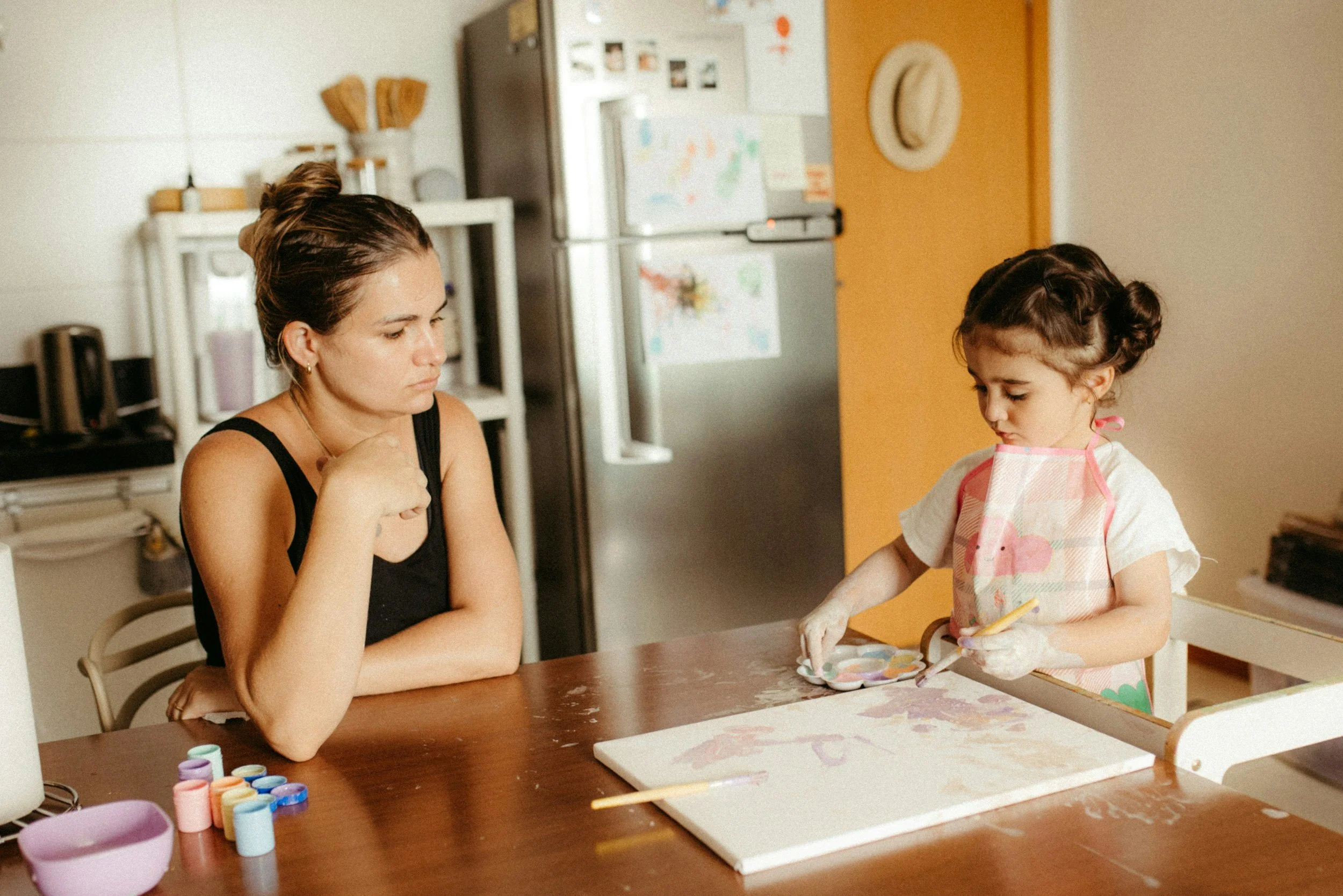
What Does Mom Rage Actually Look Like in Everyday Life?
When people hear the term "mom rage," they often picture a mother screaming at her children.
Maybe she's slamming doors.
Maybe she's completely losing control.
Maybe she's angry all the time.
While those experiences can happen, they don't tell the whole story.
In reality, mom rage often shows up in much quieter ways.
Many mothers are experiencing significant anger, irritability, and emotional overwhelm without ever realizing that's what they're dealing with.
They assume they're stressed.
Burned out.
Overstimulated.
A bad mom.
Too sensitive.
Not patient enough.
The truth is that mom rage is often much more subtle—and much more common—than people realize.
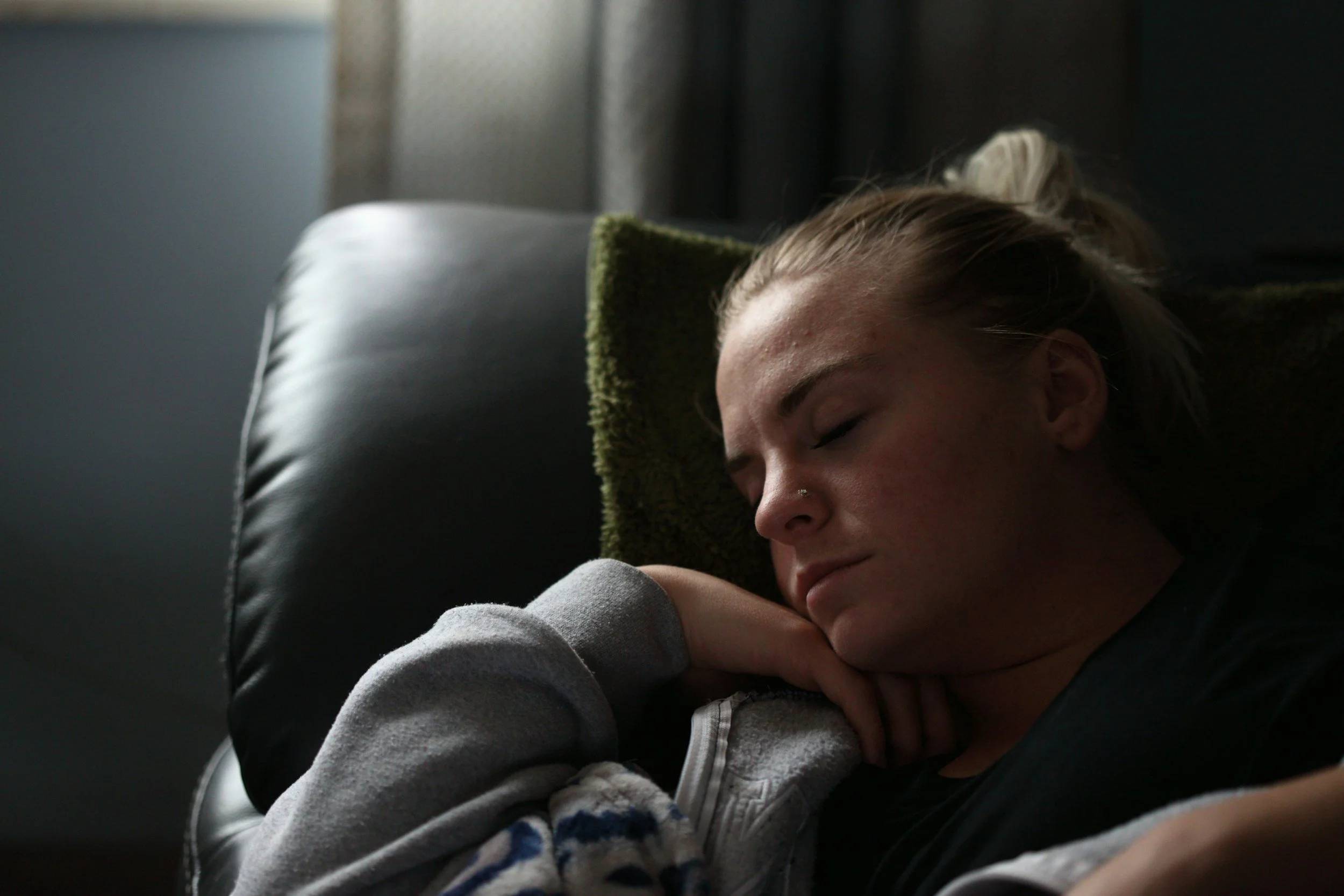
Why "Just Take Time for Yourself" Doesn't Work for Overwhelmed Moms: What Actually Helps
If you're a mother who feels exhausted, overwhelmed, irritable, or constantly on edge, chances are you've received some version of this advice:
"Just take some time for yourself."
Maybe it's:
Take a bubble bath.
Go get a massage.
Schedule a girls' night.
Practice self-care.
Take a break.
While these suggestions are usually well-intentioned, many mothers walk away feeling even more frustrated.
Not because self-care is bad.
But because the problem is often much bigger than a lack of bubble baths.
If you've ever thought, "I did the self-care thing and I still feel overwhelmed," you're not alone.

Why Does Healing Sometimes Feel Worse Before It Gets Better?
Starting therapy often comes with hope.
Maybe you're finally addressing the postpartum anxiety you've been carrying for months. Maybe you're beginning to process a traumatic birth experience. Maybe you're exploring the roots of your mom rage, perfectionism, or chronic overwhelm.
You expect therapy to help you feel better.
So it can be incredibly confusing when, instead, you find yourself feeling more emotional, more exhausted, or even more anxious.
Many clients ask some version of the same question:
"Is this normal?"
In many cases, yes.
While therapy should never leave you feeling consistently overwhelmed or unsafe, it is not uncommon for healing to feel uncomfortable before it starts to feel easier.

Why Am I Always Exhausted, Tense, and Overwhelmed? What Your Body Might Be Trying to Tell You
Many mothers come to therapy convinced something is wrong with them physically.
They're exhausted all the time.
Their shoulders feel permanently tense.
They get headaches, stomach aches, or struggle to sleep even when they're completely worn out.
Some describe feeling like they're constantly running on empty. Others say they feel on edge all the time but can't explain why.
Naturally, many moms start by looking for medical answers.
And sometimes that's absolutely the right place to begin.
It's important to rule out medical concerns, hormonal changes, nutritional deficiencies, thyroid issues, and other physical conditions that can contribute to symptoms.
But what many mothers don't realize is that stress, anxiety, trauma, and nervous system overload can also have a profound impact on the body.
In other words, emotional distress doesn't just live in your mind.
It often shows up in your body, too.

Why Am I Holding It All Together on the Outside but Falling Apart on the Inside?
From the outside, it looks like you're managing.
You get the kids where they need to go. You remember the appointments. You show up for work. You answer the texts. You keep the household running.
People often describe you as organized, responsible, capable, or someone who "has it all together."
But on the inside?
You're exhausted.
Your mind never stops racing. You're constantly worried about forgetting something important. You struggle to relax, even when you finally have a moment to yourself. You feel overwhelmed by the pressure of holding everything together, yet you can't seem to let anything go.
If this sounds familiar, you may be experiencing what many people call high-functioning anxiety.
And despite the name, there's often nothing particularly functional about how it feels.

Why Does Becoming a Mom Sometimes Trigger Anxiety, Rage, or Old Trauma?
You expected motherhood to change your life.
You may not have expected it to change you.
Many mothers are surprised by how intensely pregnancy, birth, and parenthood impact their emotional well-being. Maybe you've noticed your anxiety feels worse than it used to. Maybe you're snapping more easily, feeling overwhelmed by everyday responsibilities, or finding yourself unexpectedly triggered by situations that never bothered you before.
You might even wonder:
"Why is this happening now?"
The truth is that becoming a mother is one of the biggest life transitions a person can experience. And major life transitions often have a way of bringing old wounds, fears, stressors, and unresolved experiences to the surface.
That doesn't mean something is wrong with you.
It means you're human.

Does Nervous System Regulation Actually Help Mom Rage? What the Research Says
If you've spent any time on social media lately, you've probably heard someone talk about nervous system regulation.
According to Instagram and TikTok, it seems like nervous system regulation is the answer to everything—from anxiety and burnout to trauma and mom rage.
Take a cold shower.
Hum.
Breathe.
Regulate your nervous system.
Problem solved.
But does the research actually support these claims?
The answer is both yes and no.
Let's take a closer look at what we know, what we don't know, and why nervous system regulation has become such a popular conversation in maternal mental health.

What Questions Should You Ask a Therapist Before Starting Maternal Mental Health Therapy?
Finding a therapist can feel overwhelming, especially when you're already carrying so much.
Maybe you're struggling with mom rage, postpartum anxiety, birth trauma, pregnancy loss, or simply feeling unlike yourself since becoming a mother. You know you need support, but now you're faced with another challenge: figuring out who can actually help.
The truth is that not all therapists have specialized training in maternal mental health. Just because someone works with anxiety or trauma doesn't necessarily mean they understand the unique emotional, physical, and relational challenges that can come with pregnancy, postpartum, and motherhood.
If you're looking for therapy support, here are seven questions worth asking before getting started.

Why Is It So Hard for Moms to Ask for Help?
If you're overwhelmed, exhausted, touched out, and running on empty, you might assume asking for help would be an obvious solution.
Yet for many moms, asking for help feels surprisingly difficult.
Maybe you tell yourself you should be able to handle it. Maybe you worry about burdening other people. Maybe you've spent so long being the one everyone relies on that you don't even know what it would feel like to let someone support you.
If this sounds familiar, you're not alone.
Many of the mothers I work with desperately need support but struggle to reach for it. And contrary to popular belief, it's not simply because of "stigma."
Often, there are much deeper reasons that make asking for help feel uncomfortable, vulnerable, or even unsafe.

Perfectionism as a Trauma Response: Why So Many Overwhelmed Moms Feel Like They're Never Doing Enough
Perfectionism is often celebrated in our culture.
You're organized. Responsible. Reliable. The one who remembers the pediatrician appointment, signs the permission slip, brings the snacks, and somehow keeps everything moving.
From the outside, perfectionism can look like success.
But on the inside?
It often feels exhausting.
Many of the moms I work with describe feeling like they're constantly chasing an impossible standard. No matter how much they accomplish, there's always another task, another expectation, another reason to feel like they're falling short.
What many people don't realize is that perfectionism isn't always a personality trait. Sometimes, it's a trauma response.

Why Overwhelmed Moms Struggle With Rage More Than Anyone Talks About
If you’ve found yourself snapping more easily, feeling constantly overstimulated, or wondering why you feel so angry all the time after becoming a mom — you are not alone.
And no, it does not make you a bad mother.
One of the hardest things about maternal mental health is how often moms are expected to keep functioning no matter how overwhelmed they actually feel. You’re still supposed to show up, care for everyone else, manage the mental load, regulate your emotions, and somehow appreciate every moment while doing it.
Meanwhile, many mothers are quietly drowning in overstimulation, resentment, anxiety, guilt, exhaustion, and nervous system overload.
And honestly? We do not talk nearly enough about how common mom rage actually is.

Signs You’re Living in Survival Mode as a New Mom
You know that feeling where you are completely exhausted, yet the second your head hits the pillow, your brain starts racing? Or that sudden, intense spike of irritation when your partner asks a perfectly normal question, or the baby cries for the third time in an hour?
If you are constantly waiting for the other shoe to drop, feeling completely overstimulated, or operating on pure adrenaline just to get through the day, I want you to take a deep breath.
First: you are not a bad mom. Second: you aren't failing.
What you are experiencing is something incredibly common, yet rarely talked about in the pristine world of social media motherhood. You are living in survival mode. As a New York therapist working with moms every day—and as a mom who has been right there in the thick of it myself—I see how easily we slip into this state without even realizing it.
Let’s pull back the curtain on what survival mode actually does to your body, why it happens, and how you can finally start to breathe again.

Why Are We Fighting So Much After Having a Baby?
Before the baby arrived, maybe you and your partner felt like a team.
Sure, you had disagreements from time to time, but you generally felt connected. You knew how to communicate. You enjoyed spending time together.
Then the baby came.
Now you're arguing about dishes, laundry, bedtime routines, who got more sleep, or why you're the only one who seems to know where the extra pacifiers are.
If you've found yourself wondering, "Why are we fighting so much after having a baby?" you're not alone.
In fact, relationship stress is incredibly common during the postpartum period. And while it can feel alarming, it doesn't necessarily mean there's something wrong with your relationship.
More often, it means you're navigating one of the biggest transitions of your lives.

Why Does Motherhood Feel So Lonely?
Before becoming a mother, many women imagine they'll be surrounded by support.
Friends will check in.
Family will help.
There will be people to lean on when things get hard.
And sometimes that's true.
But many mothers find themselves sitting in a room with their baby, wondering:
"Why do I feel so alone?"
If you've ever felt isolated, disconnected, or lonely in motherhood, you're far from the only one. In fact, loneliness is one of the most common experiences mothers face—and one of the least talked about.