
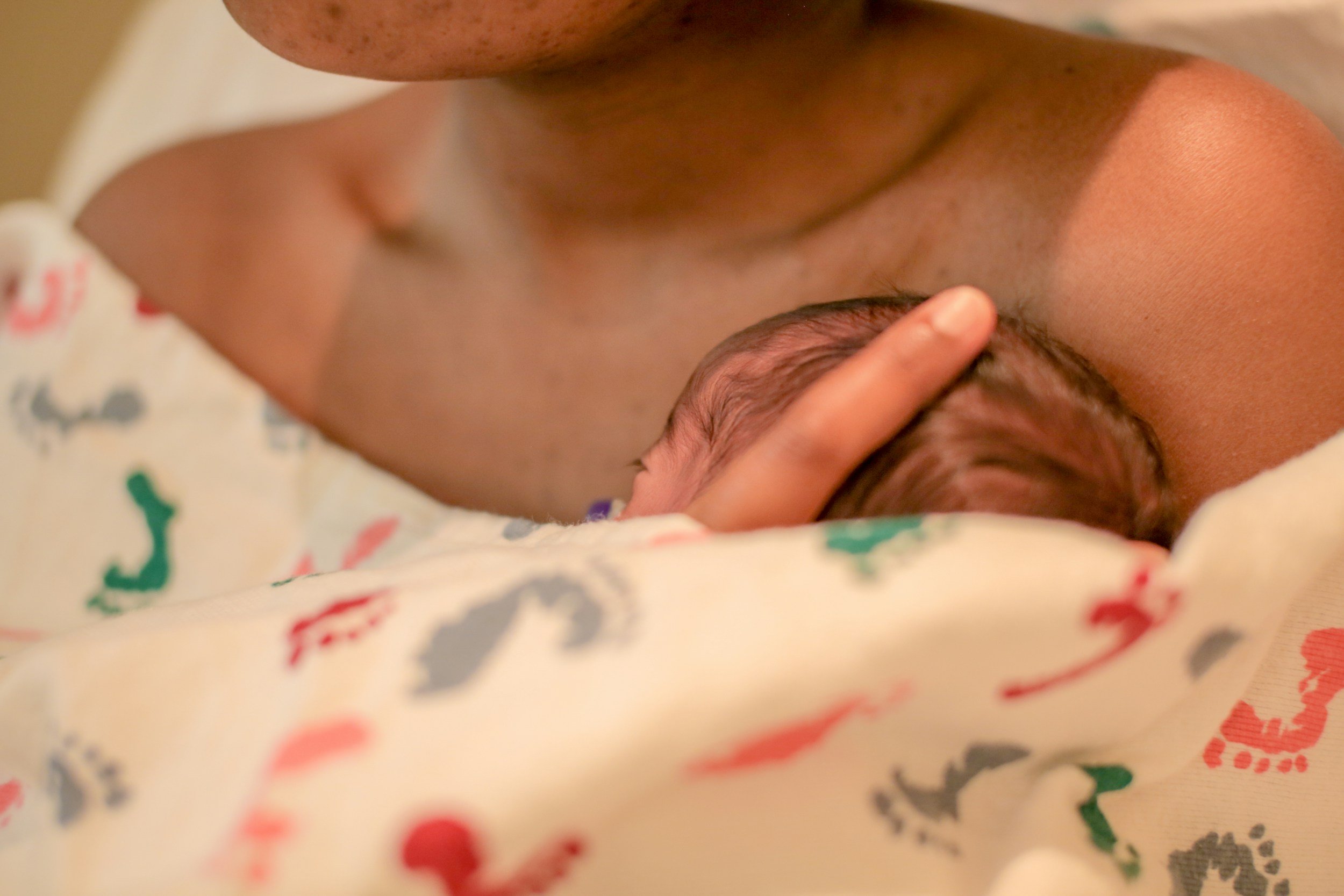
What Birth Trauma Symptoms Should Not Be Ignored?
A difficult birth can leave lasting emotional wounds, even if you and your baby are physically healthy. If you're wondering whether what you're experiencing is "normal" after childbirth, it's important to know that some birth trauma symptoms should not be ignored.
Many parents assume they'll simply "get over" a frightening or overwhelming birth experience. But for some, the emotional impact lingers long after they've left the hospital. Birth trauma can affect your mental health, relationships, confidence, and ability to enjoy the postpartum period.
The good news is that birth trauma is treatable, and healing is possible.

Who Is Most Prone to Postpartum Depression?
Who Is Most Prone to Postpartum Depression?
Postpartum depression can affect any new parent, regardless of age, income, or how much they wanted their baby. While some people have a higher risk, postpartum depression is never a sign of weakness or failure.
One of the most common questions I hear is, "Why did this happen to me?" The truth is that postpartum depression is caused by a combination of biological, psychological, and environmental factors—not by something you did wrong.
Understanding the risk factors can help you recognize symptoms earlier and get support before they become overwhelming.

Are You Considered Postpartum After a Miscarriage?
Are You Considered Postpartum After a Miscarriage?
Yes. Medically and emotionally, you are considered postpartum after a miscarriage.
Many people are surprised to learn this because the word postpartum is often associated with bringing home a healthy baby. But postpartum simply means "after pregnancy." Whether your pregnancy ended with a live birth, miscarriage, stillbirth, or termination, your body and mind still experience significant changes during the postpartum period.
If you've experienced a miscarriage and are wondering why you're feeling physically exhausted, emotionally overwhelmed, anxious, or unlike yourself, you're not imagining it. Your experience is real, and you deserve care and support.

What Postpartum Symptoms Should Not Be Ignored?
The weeks and months after having a baby bring enormous physical, emotional, and hormonal changes. While some mood swings, exhaustion, and anxiety are expected, certain postpartum symptoms should never be ignored.
Many new mothers assume that if they're struggling, they're simply "not handling motherhood well." In reality, postpartum mental health conditions are common, treatable, and deserve the same attention as any physical health concern.
If you're wondering whether what you're experiencing is "normal," this guide will help you recognize the postpartum symptoms that may signal it's time to seek support.

What Type of Therapy Is Best for Birth Trauma?
If you're searching for the best therapy for birth trauma, you're probably looking for more than a diagnosis—you want to know what actually helps.
Maybe your birth didn't go the way you expected. Perhaps you experienced an emergency C-section, felt dismissed by your medical team, feared for your life or your baby's life, or left the hospital feeling disconnected, anxious, or constantly replaying what happened.
Birth trauma can affect you long after your baby is born. The good news is that therapy can help you process what happened, reduce the emotional intensity of those memories, and begin to feel like yourself again.

Why Does Healing Sometimes Feel Worse Before It Gets Better?
Starting therapy often comes with hope.
Maybe you're finally addressing the postpartum anxiety you've been carrying for months. Maybe you're beginning to process a traumatic birth experience. Maybe you're exploring the roots of your mom rage, perfectionism, or chronic overwhelm.
You expect therapy to help you feel better.
So it can be incredibly confusing when, instead, you find yourself feeling more emotional, more exhausted, or even more anxious.
Many clients ask some version of the same question:
"Is this normal?"
In many cases, yes.
While therapy should never leave you feeling consistently overwhelmed or unsafe, it is not uncommon for healing to feel uncomfortable before it starts to feel easier.

Why Am I Always Exhausted, Tense, and Overwhelmed? What Your Body Might Be Trying to Tell You
Many mothers come to therapy convinced something is wrong with them physically.
They're exhausted all the time.
Their shoulders feel permanently tense.
They get headaches, stomach aches, or struggle to sleep even when they're completely worn out.
Some describe feeling like they're constantly running on empty. Others say they feel on edge all the time but can't explain why.
Naturally, many moms start by looking for medical answers.
And sometimes that's absolutely the right place to begin.
It's important to rule out medical concerns, hormonal changes, nutritional deficiencies, thyroid issues, and other physical conditions that can contribute to symptoms.
But what many mothers don't realize is that stress, anxiety, trauma, and nervous system overload can also have a profound impact on the body.
In other words, emotional distress doesn't just live in your mind.
It often shows up in your body, too.

Does Nervous System Regulation Actually Help Mom Rage? What the Research Says
If you've spent any time on social media lately, you've probably heard someone talk about nervous system regulation.
According to Instagram and TikTok, it seems like nervous system regulation is the answer to everything—from anxiety and burnout to trauma and mom rage.
Take a cold shower.
Hum.
Breathe.
Regulate your nervous system.
Problem solved.
But does the research actually support these claims?
The answer is both yes and no.
Let's take a closer look at what we know, what we don't know, and why nervous system regulation has become such a popular conversation in maternal mental health.